
When a pet is aging, seriously ill, or approaching the end of life, good information can make difficult decisions feel a little less uncertain.
The Calm Paws Vet resource library brings together veterinarian-guided information about pet quality of life, hospice and palliative care, in-home euthanasia, preparing for a goodbye, aftercare, and grief.
Some families arrive here because their dog or cat has received a serious diagnosis. Others are noticing changes in appetite, mobility, breathing, sleep, hygiene, or engagement and are wondering whether their pet is still comfortable.
These articles are designed to help you understand the questions worth asking and prepare for conversations with your veterinarian. They are not meant to replace an individual veterinary examination or emergency care.
Start With Your Pet's Quality of Life
If you are here because something has changed but you are not yet sure what it means, begin with the broader pattern of your pet's comfort and daily life.
Understand the Appointment Before the Day Arrives
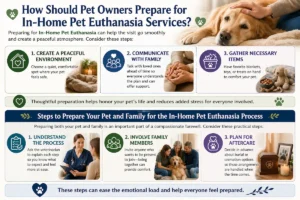
Our What to Expect guide explains preparation, sedation, the medical process, family involvement, physical changes, and aftercare.
Explore the Calm Paws Vet Resource Library
Browse the latest veterinarian-guided articles about end-of-life care for dogs and cats.






Looking for Guidance on a Specific Part of End-of-Life Care?
The articles above explore individual questions and diagnoses. These core resources provide a starting point for the subjects families ask about most often.
About the Calm Paws Vet Resource Library
Where should I start if I am not sure whether it is time?
Start by looking at your pet's overall quality of life rather than searching for one perfect sign. Changes in comfort, appetite, breathing, mobility, hygiene, sleep, engagement, treatment response, and the balance of good and difficult days can all be important.
The Calm Paws Vet How Do I Know When It's Time? guide and HHHHHMM Quality of Life Scale are useful starting points.
Does a serious or terminal diagnosis automatically mean euthanasia?
No. Some pets can continue to have meaningful comfort with treatment, palliative care, or hospice support. The appropriate plan depends on the individual disease, symptoms, expected progression, treatment response, and whether reasonable quality of life can still be maintained.
Can I learn about in-home euthanasia before I am ready to schedule?
Yes. Learning about the process does not commit your family to an appointment. Understanding how sedation works, who can be present, how to prepare your home, what physical changes may occur, and what happens afterward can make future decisions less unfamiliar.
Are these articles a substitute for my pet's veterinarian?
No. These resources provide general education about end-of-life care and common questions families face. Your pet's diagnosis, symptoms, medications, prognosis, and treatment decisions should be discussed with a veterinarian who can consider the individual patient.
What if my pet is having an emergency?
If your pet has severe breathing difficulty, repeated collapse, uncontrolled seizures, significant uncontrolled bleeding, severe uncontrolled pain, or another acute medical emergency, contact your regular veterinarian or the nearest emergency veterinary hospital.
Calm Paws Vet focuses on hospice and scheduled in-home euthanasia rather than emergency life-saving treatment.
You Can Talk With Dr. Jake About What You Are Seeing
If your pet's comfort is changing and you are not sure what the next step should be, you do not have to find the answer by reading every article first.
Calm Paws Vet provides hospice, quality-of-life support, and in-home euthanasia for families across Suffolk County and Long Island's North Shore. In the Three Village and Setauket area, in-home visits are scheduled for weekday evenings and weekends, with daytime weekday visits available for families further out on Long Island.