
What to Expect During an In-Home Pet Euthanasia Visit
Knowing what will happen can make an unfamiliar and emotional experience feel a little less overwhelming. Dr. Jake guides your family through each step quietly, explains what he is doing, and allows the visit to move at a compassionate pace.
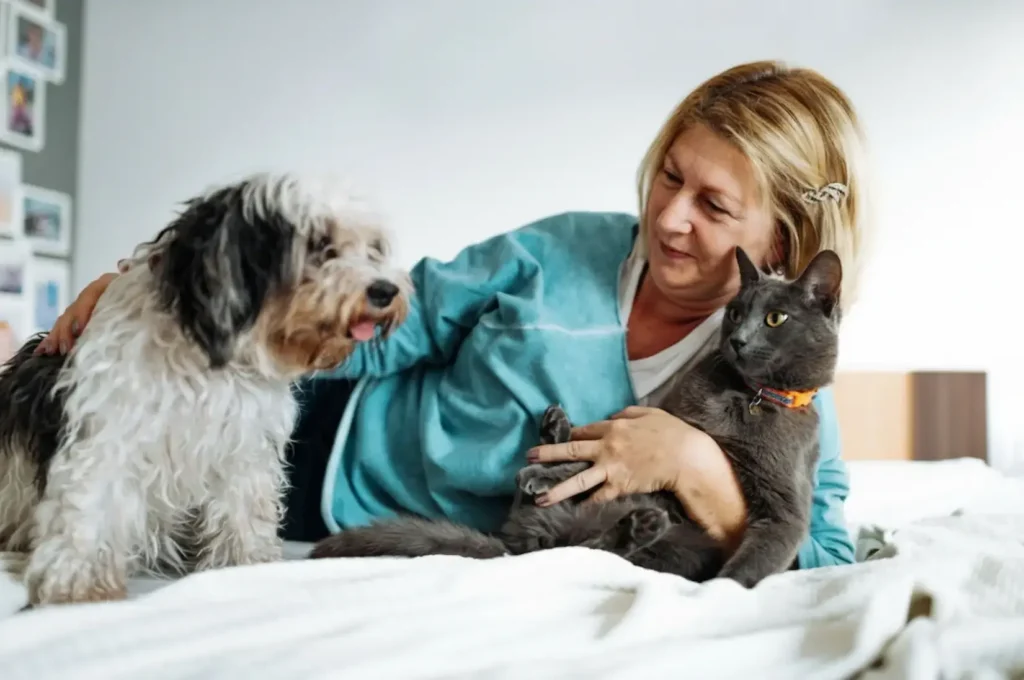
Your pet can remain in a familiar place at home, surrounded by the people and things that bring them comfort.
Preparing for the Visit
There is very little you need to do. The goal is for you to spend this time focused on your pet rather than worrying about creating a perfect setting.
A favorite bed, couch, quiet room, blanket, or peaceful outdoor spot can all be appropriate. Choose the place where your pet seems most at ease.
If possible, make a parking space available near the entrance to your home. This is especially helpful if Calm Paws Vet will also be handling aftercare.
Family members are welcome. Other pets are welcome if well behaved and matching the calm energy in the room. There is no requirement for anyone to stay if they would rather say goodbye differently.
Payment is handled near the beginning of the visit so administrative details do not interrupt the more emotional part of the appointment later.
Your Pet Does Not Need a Special Setup
You do not need candles, special music, a particular room, or a carefully planned ceremony unless those things are meaningful to your family. A familiar blanket, your voice, your touch, and being together are enough.
The In-Home Euthanasia Process, Step by Step
Dr. Jake will explain the process before medications are given and will answer any questions you have along the way.
A Quiet Conversation First
Dr. Jake begins by speaking with your family, meeting your pet, reviewing the plan, and making sure you understand what to expect.
This is also a good time to ask questions, discuss who would like to remain present, confirm aftercare arrangements, and mention any keepsake requests.
Sedation Comes First
Dr. Jake administers a pre-euthanasia sedative with a small injection under the skin. The purpose of this step is to allow your pet to become deeply relaxed and then fall asleep before the final medication is given.
On the current Calm Paws Vet protocol, this transition into deep sedation commonly takes about 5 to 15 minutes. Every pet is different, so the exact timing can vary.
Your Pet Becomes Deeply Sedated
As the sedative takes effect, your pet becomes increasingly sleepy and relaxed. Dr. Jake gives the medication time to work and assesses your pet before moving to the next step.
There is no need for your family to rush this portion of the visit. You can remain beside your pet and continue offering comfort.
The Final Medication
Once your pet is deeply sedated and asleep, Dr. Jake administers the final euthanasia medication.
The medication causes irreversible unconsciousness followed by the stopping of breathing and the heart. Dr. Jake remains with your pet and confirms when they have passed.
Time Together Afterward
After Dr. Jake confirms that your pet has passed, your family can have quiet time together. There is no expectation that you immediately move on to aftercare or say goodbye on a particular schedule.
Some families want a few minutes. Others need longer. Dr. Jake can step back and give your family privacy.
Aftercare When You Are Ready
If you selected aftercare through Calm Paws Vet, Dr. Jake respectfully prepares your pet for transport once your family has had the time you need.
If you made your own aftercare arrangements, the plan discussed beforehand can be followed instead.
Comfort Before the Final Medication
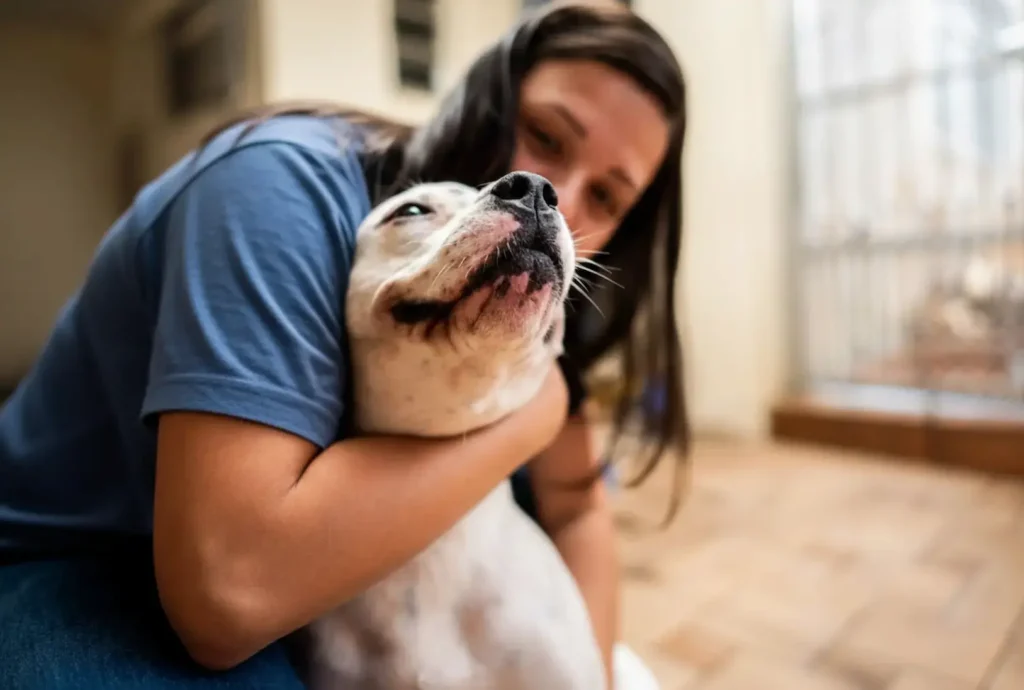
Calm Paws Vet uses a sedation-first approach so your pet can become deeply relaxed and asleep before the final euthanasia medication is administered.
This approach is also consistent with veterinary end-of-life guidance that recommends considering pre-euthanasia sedation or anesthesia for companion animals, particularly when families are present.
The exact response to medication can vary from pet to pet, especially in animals who are very elderly, seriously ill, dehydrated, or medically fragile. Dr. Jake assesses your pet throughout the process rather than relying only on a timer.
Some Physical Changes Can Be Normal
Families are sometimes surprised by normal reflexes or physical changes around the time of death. Dr. Jake can explain these possibilities beforehand so they are less unexpected.
If anything happens that concerns you during the visit, Dr. Jake is there to explain what you are seeing.
Who Can Be Present?
There is no single correct way for a family to say goodbye. The people and pets who are present should reflect what feels right for your household.
Can I Hold My Pet?
You can usually remain beside your pet, touch them, speak to them, or hold them when it is safe and comfortable to do so.
Can Children Be Present?
Yes, if your family feels that being present is appropriate for the child. Other children may prefer to say goodbye beforehand or enter afterward.
For help preparing children, see our age-by-age guide .
Can Other Pets Be Present?
Other pets are welcome if well behaved and matching the calm energy in the room, and can often remain nearby. If another pet becomes anxious, disruptive, or protective around visitors, it may be more comfortable for everyone to give them another quiet space during the appointment.
Aftercare Can Be Planned Before the Visit
You do not have to make cremation decisions for the first time immediately after your pet passes.
Whenever possible, Dr. Jake can discuss aftercare choices with you beforehand so the plan is already in place.
Moving a large pet respectfully after they have passed can require more than one person. Depending on your pet's size and the circumstances in your home, Dr. Jake may discuss assistance with transport before the appointment so your family knows what to expect.
Questions Families Often Ask
Will my pet be sedated first?
Yes. Calm Paws Vet uses a sedation-first approach. Dr. Jake gives a pre-euthanasia sedative and allows your pet to become deeply sedated and asleep before the final medication is administered.
Will my pet feel the final medication?
The initial sedative injection may feel like a brief pinch. Dr. Jake then allows your pet to become deeply sedated and asleep before administering the final medication. The goal of this process is to minimize fear, discomfort, and awareness during the euthanasia procedure.
How long does the entire appointment take?
The length of the visit varies because every pet and family is different. The sedation portion commonly takes about 5 to 15 minutes with the current Calm Paws Vet process, but Dr. Jake allows medications and the overall visit to progress according to your pet's individual response.
Do I have to stay for the entire process?
No. Some people want to remain beside their pet throughout the visit, while others prefer to say goodbye before the final medication. Your choice should be based on what feels manageable and meaningful for you.
Can we take time with our pet afterward?
Yes. After Dr. Jake confirms that your pet has passed, your family can have private time together before moving forward with the aftercare plan.
What if I am anxious about one part of the process?
Tell Dr. Jake what is worrying you. Questions about medications, physical changes, children, other pets, aftercare, or what you might see are all appropriate to ask before the appointment or when he arrives.
Learn More Before the Visit
You Do Not Have to Feel Completely Ready Before You Call
If you are worried about a specific part of the process, unsure whether it may be time, or simply want to understand what an in-home visit would look like for your pet, you can speak with Dr. Jake directly.