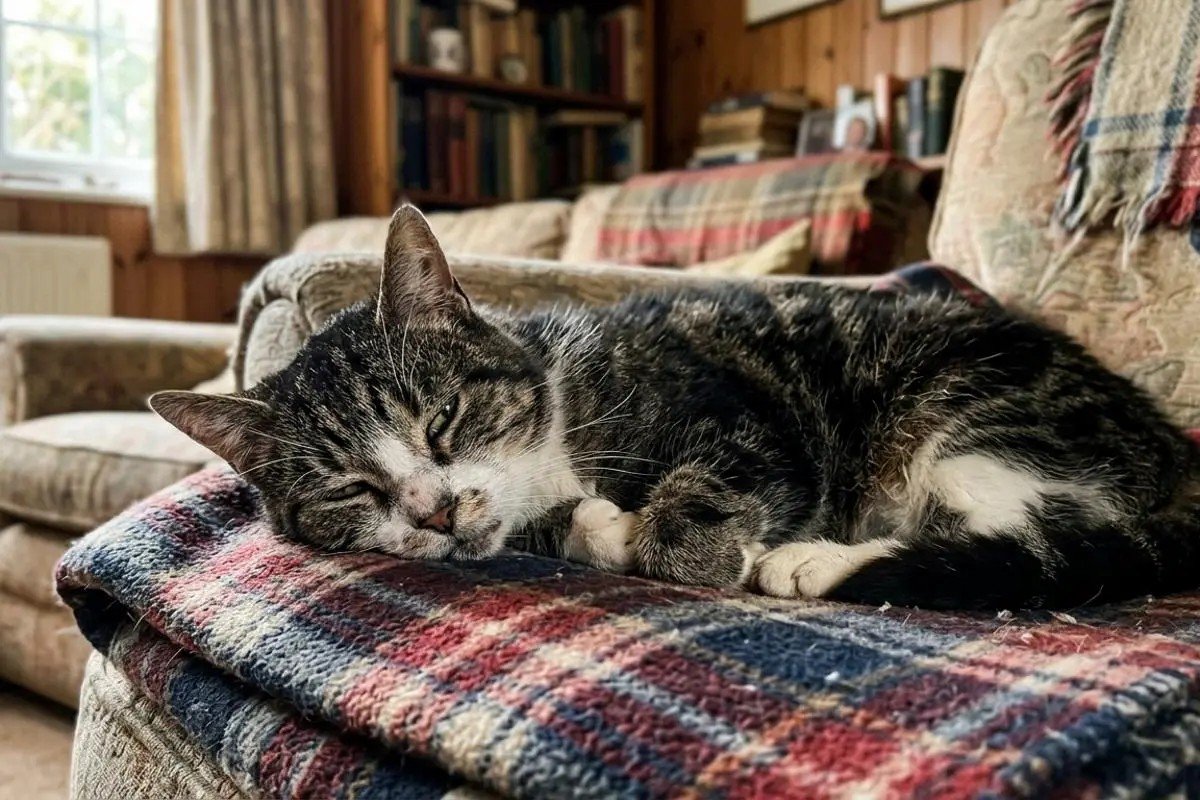
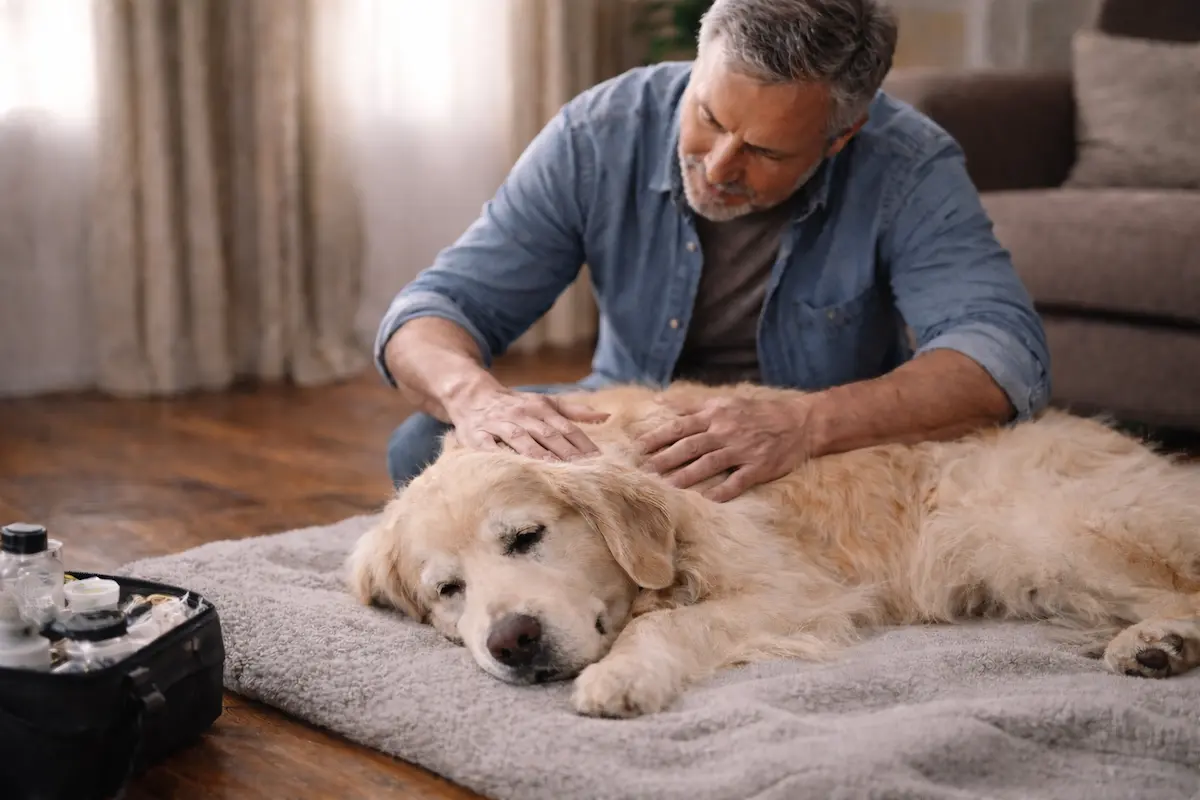
One of the most common questions families ask before saying goodbye is simple and deeply important: Does pet euthanasia hurt?
Humane veterinary euthanasia is designed to minimize pain, discomfort, fear, and anxiety. At Calm Paws Vet, the process begins with sedation so your dog or cat can become deeply relaxed and fall asleep before the final euthanasia medication is administered.
The initial sedative injection may feel like a brief pinch. After that, Dr. Jake gives the medication time to work and assesses your pet before proceeding.
Understanding what may happen before, during, and immediately after euthanasia can remove some of the uncertainty from an already emotional day.
Is Putting a Dog or Cat to Sleep Painful?
Humane euthanasia is intended to provide a peaceful death while minimizing pain and anxiety. With Calm Paws Vet's sedation-first approach, the potentially uncomfortable part is usually the brief injection used to begin sedation.
Your pet is then allowed to become deeply sedated and asleep before the final medication is given.
What Happens During In-Home Pet Euthanasia?
The exact medications and timing depend on the individual pet, but the Calm Paws Vet visit follows a sedation-first process.
Dr. Jake Talks With Your Family First
Before medications are given, Dr. Jake explains what will happen, answers questions, and makes sure your pet is settled in a comfortable location.
You can remain beside your pet, talk to them, touch them, or hold them when it is safe and comfortable to do so.
The Sedative Is Given
A pre-euthanasia sedative is given with a small injection under the skin. The injection itself may feel like a brief pinch, similar to other injections your pet may have experienced.
As the medication takes effect, your pet becomes increasingly relaxed and sleepy.
Your Pet Becomes Deeply Sedated
Dr. Jake allows the sedative to work before moving forward. Your pet may relax into their bed or blanket, become less responsive to the room, and fall asleep.
There is no need for your family to rush this part of the visit. You can stay close and continue speaking softly or offering gentle touch.
The Final Medication Is Administered
Once your pet is deeply sedated and unconscious, Dr. Jake administers the final euthanasia medication.
He remains with your pet throughout this step and confirms when your pet has passed.
Your Family Can Have Time Together
After Dr. Jake confirms that your pet has passed, your family can have quiet time together before moving forward with aftercare.
Some families want only a few minutes. Others need more time. There is no required way to use those moments.
What Does a Pet Feel During Euthanasia?
No veterinarian can tell us exactly what every individual animal experiences internally. What veterinary medicine can do is use medications and techniques specifically intended to minimize pain, fear, anxiety, and awareness during euthanasia.
Normal Physical Changes Can Happen After a Pet Passes
Some physical changes can surprise families if nobody has explained them beforehand. These can occur even though your pet has already lost consciousness or passed away.
Does Being at Home Make a Difference?
An in-home appointment does not change the goal of humane euthanasia, but it changes the environment surrounding the procedure.
AAHA end-of-life guidance recognizes several advantages of at-home euthanasia, including avoiding travel and allowing the pet to remain in familiar surroundings while giving the family greater privacy.
There Is No Exact Stopwatch for an In-Home Visit
Many Calm Paws Vet visits are completed in around 30 minutes, but individual appointments can be shorter or longer.
The goal is not to hit an exact time. The visit needs to account for your pet's response to sedation, your questions, the medical process, and the amount of family time that feels right afterward.
Questions You Are Allowed to Ask
You do not need to understand veterinary medications before calling. These are reasonable questions to ask Dr. Jake before or during the visit.
Questions About Pain and Pet Euthanasia
Does pet euthanasia hurt?
Humane euthanasia is designed to minimize pain, discomfort, fear, and anxiety. With Calm Paws Vet's sedation-first approach, the first sedative injection may feel like a brief pinch. Your pet is then allowed to become deeply sedated before the final medication is administered.
Does putting a dog to sleep hurt?
The goal of veterinary euthanasia is a humane death with minimal pain and anxiety. The sedative injection can cause brief discomfort, but the dog is given time to become deeply sedated before the final medication.
Does putting a cat to sleep hurt?
The same sedation-first principle applies to cats. The initial injection may feel like a brief pinch, after which the cat becomes progressively more relaxed and sleepy before the final euthanasia medication is given.
Will my pet be scared?
No veterinarian can guarantee exactly what an individual animal feels emotionally. The purpose of pre-euthanasia sedation is to reduce fear, anxiety, restraint, and awareness as the procedure progresses.
An at-home visit also allows your pet to remain in familiar surroundings and avoids an additional trip to the veterinary clinic.
Is the first injection painful?
It may cause a brief pinch or momentary discomfort. Individual pets respond differently to injections, so some may react while others show very little response.
Why might my pet twitch or take a breath afterward?
Reflexive muscle movement or breathing-like motion can sometimes occur around death. These physical changes do not necessarily mean your pet is conscious or experiencing suffering.
Dr. Jake can explain what you are seeing during the appointment so you do not have to interpret it alone.
Can I hold my pet during euthanasia?
Families can usually remain close and comfort their pet when it is safe and practical for the medical procedure. If holding your pet is important to you, tell Dr. Jake so the safest setup can be discussed.
Do I have to watch the final medication?
No. Some family members want to remain present throughout the entire appointment, while others prefer to say goodbye before the final medication. There is no need to feel guilty about choosing what you can emotionally manage.
Sources and Further Reading
You Can Ask About the Process Before You Decide
If fear about pain or what your pet might experience is making the decision harder, you can speak with Dr. Jake before scheduling an appointment.
I care for families across Suffolk County and Long Island's North Shore. In the Three Village and Setauket area, in-home visits are scheduled for weekday evenings and weekends, with daytime weekday visits available for families further out on Long Island.
Learn More Before the Appointment
You Do Not Have to Carry Questions About Pain by Yourself
If you are worried about what your pet might feel, ask. Dr. Jake can explain the sedation-first process, what you may see, and what an in-home appointment would look like for your individual dog or cat.