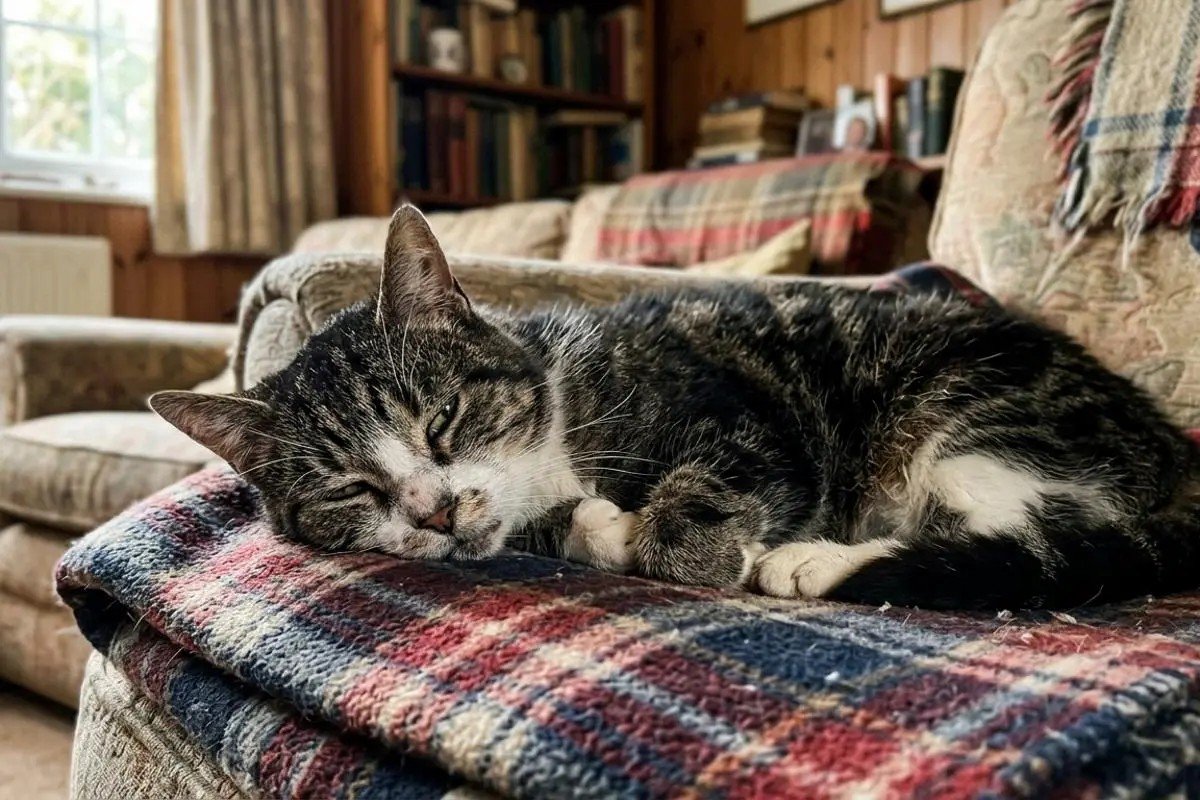
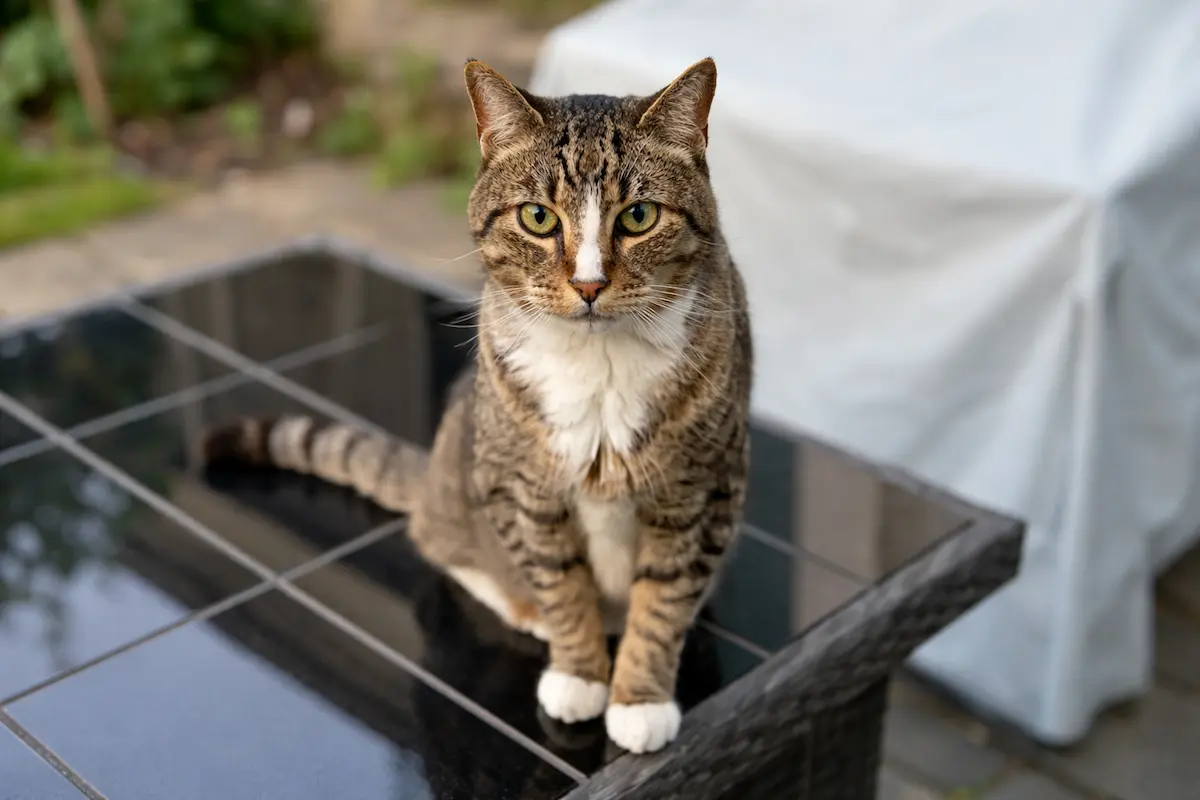
A diagnosis of chronic kidney disease does not automatically mean that it is time to say goodbye.
Many cats live meaningful lives with chronic kidney disease for months or years, particularly when the disease is identified earlier and responds well to treatment.
The harder question comes when kidney disease continues to progress and the symptoms begin affecting your cat's ability to eat, stay hydrated, rest comfortably, groom, move around the home, and engage with the people and routines they know.
There is no single laboratory value, IRIS stage, symptom, or number of bad days that automatically determines when euthanasia is appropriate. The decision should consider the whole cat, the response to treatment, the disease trajectory, and whether reasonable comfort can still be maintained.
What Chronic Kidney Disease Means in Cats
Chronic kidney disease, often shortened to CKD, is the gradual and irreversible loss of kidney function over time. It is especially common in older cats.
Healthy kidneys help filter waste products from the blood, regulate fluid and electrolyte balance, contribute to blood-pressure regulation, and support red blood cell production.
As kidney function declines, cats may develop increased thirst and urination, appetite changes, weight and muscle loss, nausea, vomiting, lethargy, poor coat condition, dehydration, high blood pressure, anemia and other complications.
Early CKD may cause few or no obvious changes at home, which is why bloodwork, urinalysis, blood pressure and other veterinary testing are important.
Signs Advanced Kidney Disease May Be Affecting Quality of Life
These changes can occur with advanced CKD, but many can also have other causes. One symptom by itself does not automatically mean that your cat is dying or should be euthanized.
Kidney Values Cannot Tell You the Whole Quality-of-Life Story
Creatinine, SDMA, BUN, phosphorus, potassium, red blood cell measurements, urine findings and blood pressure can provide important information about kidney disease.
They still need to be interpreted alongside hydration status, body weight, muscle mass, symptoms, physical examination and your cat's response to treatment.
Use Quality of Life to Track the Direction of Change
Quality-of-life tools can help when kidney disease changes gradually and it becomes difficult to remember how your cat was doing two or three weeks ago.
The HHHHHMM Quality of Life Scale considers Hurt, Hunger, Hydration, Hygiene, Happiness, Mobility, and More Good Days Than Bad.
The HHHHHMM scale is a tool for organizing observations and tracking change. It is not a diagnosis and should not function as an automatic instruction to euthanize.
A serious problem in one category can matter even when the total score remains above a published reference point. Your cat's diagnosis, symptoms, treatment response and veterinary assessment all matter.
Ask What Can Still Be Improved
CKD cannot currently be cured, but many complications can sometimes be treated or managed for a period of time. The goal is to slow progression where possible and preserve an acceptable quality of life.
Treatment should be individualized by your veterinarian based on the IRIS stage, symptoms, blood pressure, laboratory results, other medical conditions and your cat's response.
Questions to Ask When You Are Considering Euthanasia
The decision often becomes clearer when you stop looking for one definitive symptom and instead look at what treatment can realistically accomplish for your individual cat.
Can My Cat Still Eat Enough to Remain Comfortable?
Persistent appetite loss and nausea can significantly affect quality of life. Ask whether the underlying causes can still be adequately managed and whether your cat is maintaining appropriate nutrition.
Can Hydration Still Be Maintained?
Advanced kidney disease can make fluid balance increasingly difficult. Ask whether the current plan is still providing meaningful comfort or whether treatment itself is becoming difficult for your cat.
Can My Cat Rest and Move Without Major Distress?
Consider whether your cat can comfortably reach food, water, the litter box and favorite resting places with a reasonable amount of assistance.
Is My Cat Still Engaging With Life?
A quiet older cat does not need to behave like a kitten. Look for your cat's own signs of comfort and connection, such as seeking a favorite bed, accepting affection, watching the window, purring, grooming or responding to familiar family members.
Are Treatments Still Helping Enough?
A treatment may still change a laboratory value without creating a meaningful improvement in how your cat feels. Ask what benefit each treatment is realistically providing and whether that benefit still outweighs the burden for your cat.
What Is the Expected Disease Trajectory?
Ask your veterinarian what is likely to happen next, which problems may still be reversible, and which changes would indicate that comfort can no longer be adequately maintained.
Sudden Deterioration Needs Veterinary Attention
A cat with CKD can become acutely ill from dehydration, electrolyte abnormalities, hypertension or another medical problem. Do not assume every sudden change is simply the natural final stage of kidney disease.
Seek prompt veterinary care for severe or rapidly worsening weakness, collapse, repeated vomiting, difficulty breathing, uncontrolled seizures, inability to stand, severe distress or another acute medical crisis.
Calm Paws Vet focuses on hospice and in-home euthanasia and does not provide emergency life-saving treatment. If immediate medical intervention is needed, contact your primary veterinarian or the nearest emergency veterinary hospital.
Why Some Families Choose an In-Home Goodbye for a Cat With CKD
Cats with advanced kidney disease may be weak, nauseated, dehydrated or less tolerant of travel and handling than they once were.
In-home euthanasia allows a cat to remain in a familiar environment rather than making another car trip and entering an unfamiliar clinic.
Calm Paws Vet uses a sedation-first process. Dr. Jake explains each step and allows your cat to become deeply sedated before proceeding with the final medication.
Kidney Failure and End-of-Life Decisions for Cats
Does IRIS Stage 4 automatically mean it is time for euthanasia?
No. IRIS Stage 4 indicates advanced chronic kidney disease, but stage alone does not determine quality of life or automatically mean that euthanasia is appropriate.
Symptoms, complications, treatment response, appetite, hydration, strength, comfort and your cat's overall daily function all matter.
How long can a cat live with kidney disease?
Survival varies widely. Some cats diagnosed earlier in the disease live for years with appropriate management.
Cornell notes that cats diagnosed with IRIS Stage 2 CKD have had mean survival times of two to three years in many studies, while cats diagnosed at Stage 4 average less than six months. These are population averages, not predictions for an individual cat.
Is kidney failure painful for cats?
CKD can cause substantial discomfort and illness even when a cat is not showing obvious signs of pain. Nausea, dehydration, weakness, mouth problems, anemia and other complications can significantly reduce quality of life.
If your cat appears uncomfortable or unusually withdrawn, ask your veterinarian to evaluate possible causes rather than assuming that the change is simply part of kidney disease.
Should I wait until my cat stops eating completely?
No single symptom should be used as a universal requirement before discussing euthanasia.
Persistent appetite loss is important, but hydration, nausea, vomiting, strength, hygiene, mobility, comfort, engagement and treatment response should also be considered.
Should I try IV fluids before considering euthanasia?
Intravenous fluids can be appropriate for some cats who need stabilization, but whether hospitalization is likely to provide meaningful benefit depends on the individual cat's condition, disease stage, complications and goals of care.
Your primary veterinarian or emergency veterinarian is the right person to assess whether IV fluids or hospitalization are medically appropriate.
What if my cat still has good moments?
Those moments matter. A favorite meal, a comfortable nap, affection or watching the window can still represent meaningful quality of life.
Place individual good moments into the larger pattern. Quality-of-life decisions are usually clearer when several days or weeks are considered together rather than allowing one especially good or difficult moment to represent the whole situation.
Can I discuss euthanasia before I am ready to schedule it?
Yes. Discussing quality of life, learning how an in-home appointment works and reviewing aftercare choices do not commit you to scheduling euthanasia.
Planning before a crisis can help your family understand the choices available if your cat's comfort declines.
Sources and Further Reading
You Do Not Need to Decide From a Kidney Number Alone
If your cat's kidney disease is progressing and you are unsure whether comfort can still be adequately maintained, you can contact Dr. Jake to discuss quality of life and what an in-home end-of-life visit would involve if the time comes.
I care for families across Suffolk County and Long Island's North Shore. In the Three Village and Setauket area, in-home visits are scheduled for weekday evenings and weekends, with daytime weekday visits available for families further out on Long Island.
More Help With the Decision
You Do Not Have to Make the Kidney Disease Decision Alone
If your cat is eating less, becoming weaker, struggling with hydration or simply no longer seeming like themselves, you can start by talking through what has changed and what realistic comfort may still be possible.