Understanding the In-Home Euthanasia Visit
Knowing what will happen during an in-home euthanasia appointment can make an unfamiliar and emotional day feel a little less uncertain.
The purpose of an at-home goodbye is to keep your pet in a familiar place, reduce the stress of travel, and give your family privacy while the veterinarian guides you through each step.
Every pet is different, so the exact details of a visit may need to be adjusted for comfort and safety. This guide explains the general Calm Paws Vet process and the decisions families can think about beforehand.
Before the Appointment
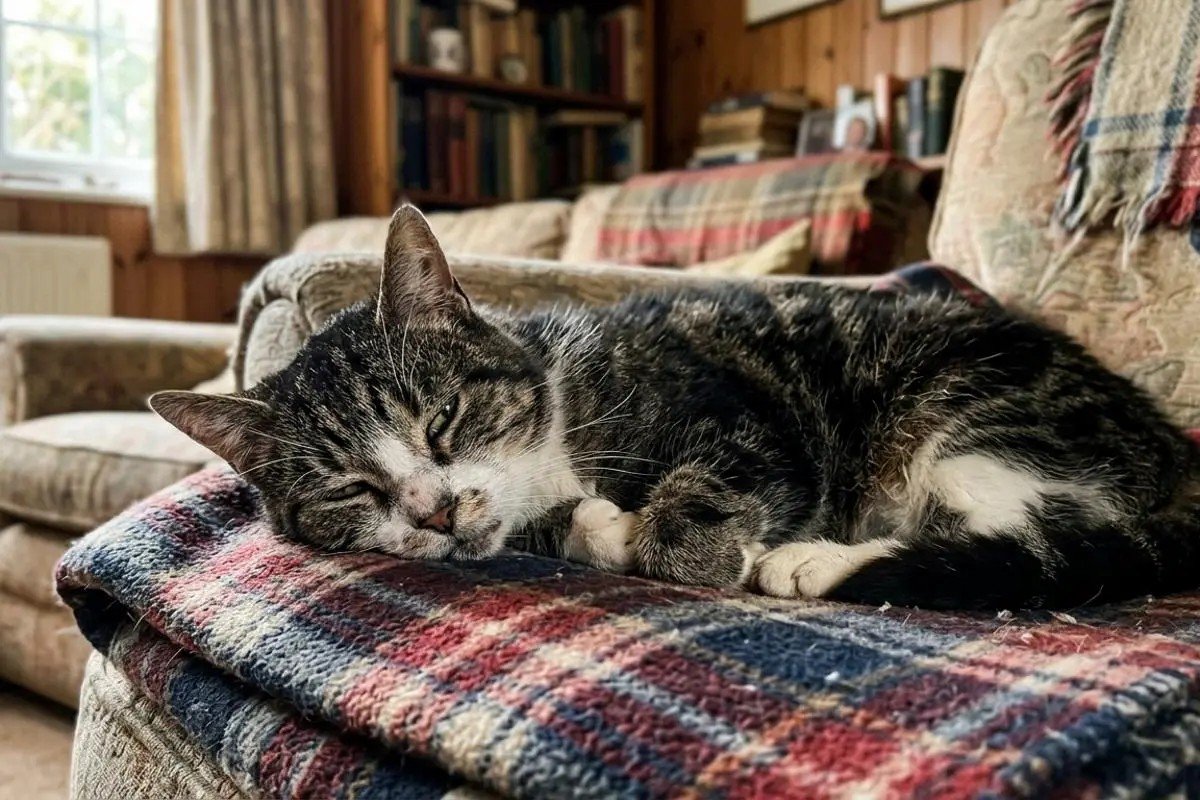
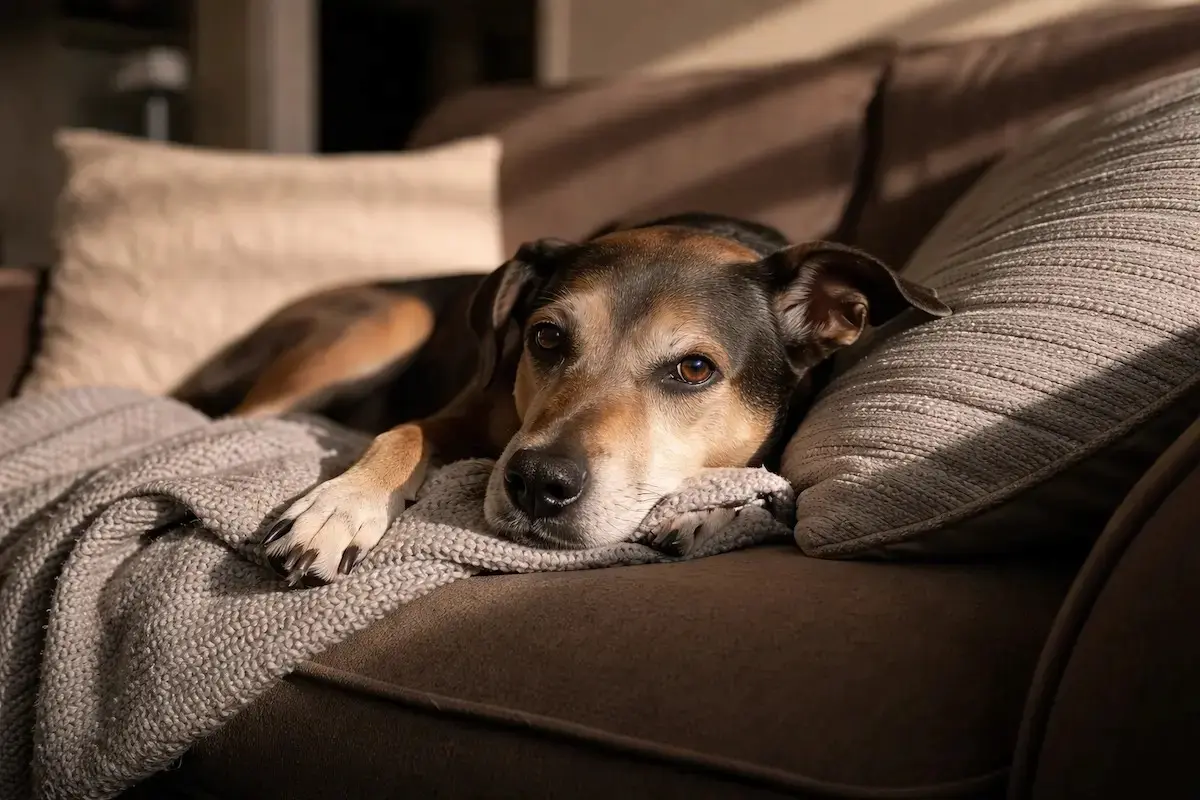
You do not need to transform your home or create a perfect setting. Choose a place where your pet already feels comfortable.
Choose a familiar spot
A favorite bed, the sofa, a quiet room, or another familiar resting place can work well.
Decide who will be present
Family members can stay if they wish. No one should feel pressured to participate in a way that does not feel right for them.
Think about other pets
Other pets may remain nearby if their presence is calm and does not interfere with the visit.
Review aftercare
If possible, decide whether you would like cremation or another appropriate aftercare arrangement before the appointment.
The current Calm Paws Vet service page also asks families to make parking near the home available when possible. Payment is handled at the beginning of the visit so it does not need to be discussed during the more emotional part of the appointment.
For the concise service overview, you can also visit the Calm Paws Vet What to Expect page.
Children Can Be Included, but They Do Not Have to Be
Whether a child should be present is a family decision. Some children want to stay close to their pet. Others prefer to say goodbye before the appointment or leave the room during part of the process.
If children may be involved, explain what will happen before asking them to choose. Use direct, age-appropriate language and make it clear that they can change their mind.
Our guide to talking with children about a pet’s death goes into this in more detail.
What Happens When Dr. Jake Arrives?
The appointment does not begin with the final medication. There is time first to settle in, review what is happening with your pet, answer questions, and make sure everyone understands the process.
If there is something you are afraid of seeing, if you want each step explained before it happens, or if you would prefer less conversation during the goodbye, you can say so.
You can stay close to your pet.
You may pet them, speak to them, sit beside them, or hold them when it is comfortable and safe to do so. There is no requirement to stand in a particular place or watch any particular medical step.
The Calm Paws Vet Process, Step by Step
1
Conversation and Preparation
Dr. Jake reviews the plan with you, answers final questions, and makes sure your pet is positioned comfortably before medications are given.
Payment is handled near the beginning of the visit so the focus can remain on your pet afterward.
2
Pre-Euthanasia Sedation
Calm Paws Vet uses a sedation-first approach. Dr. Jake administers a pre-euthanasia sedative with a small injection under the skin.
The purpose is to allow your pet to become deeply relaxed and asleep before the final medication is given.
3
Time for the Sedation to Take Effect
The current Calm Paws Vet service page notes that pets commonly become deeply sleepy within about 5 to 15 minutes. Individual responses can vary, so Dr. Jake assesses your pet before moving forward.
During this time, you can continue talking to your pet, stroking them, or simply being together.
4
The Final Medication
Once your pet is deeply sedated and Dr. Jake is satisfied that they are ready, the euthanasia medication is administered.
This medication causes unconsciousness and stops the heart. Because your pet has already been deeply sedated, the goal is for this stage to occur without awareness of what follows.
5
Confirmation and Quiet Time
Dr. Jake confirms when your pet has died. You can remain with your pet and take time to say goodbye.
There is no need to immediately move into the next task or decision.
6
Aftercare
If you have selected aftercare through Calm Paws Vet, Dr. Jake will explain what happens next and respectfully prepare your pet for transport after your family has had time together.
Normal Physical Changes You May Notice
Families are sometimes surprised by normal physical changes that can occur during or after death. Knowing about them beforehand can make them less frightening.
Eyes may remain open
The eyes do not necessarily close after death.
Muscles relax
Relaxation can result in release of urine or stool.
Small movements can occur
Brief muscle movement or twitching may occur even though the pet is no longer conscious.
A final breath-like movement may occur
Reflexive respiratory movement can sometimes happen after consciousness has been lost.
If you notice something you were not expecting, Dr. Jake can explain what is happening in the moment.
What You Can Do During the Appointment
There is no correct way to say goodbye. Some families talk to their pet throughout the visit. Others sit quietly. Some want to hold a paw or stroke their pet’s head. Others need a little distance.
- Stay beside your pet.
- Hold or pet them when comfortable and safe.
- Offer a favorite treat before sedation if your pet still wants food.
- Play quiet music if that feels familiar.
- Invite the family members you want present.
- Ask questions at any point.
- Step away from a medical step if you do not want to watch it.
- Take quiet time afterward before aftercare begins.
You do not need to make the day look perfect.
Your home does not need to be spotless. You do not need special blankets, candles, music, or a carefully staged room. The important part is that your pet is somewhere familiar and your family can focus on being together.
What Happens After Your Pet Has Died?
Families have different wishes for aftercare. The two cremation options currently described by Calm Paws Vet are private cremation and communal cremation. :contentReference[oaicite:2]{index=2}
Private Cremation
Your pet is cremated alone and the cremated remains are returned to you.
Because included items and return details can change, check the current Aftercare page when making arrangements.
Communal Cremation
Your pet is cremated with other pets and individual ashes are not returned to the family.
This can be appropriate for families who do not wish to keep cremated remains.
Review the current Calm Paws Vet Aftercare page for current cremation details, keepsakes, pricing information, and expected return timing.
You can also read our detailed comparison of private and communal pet cremation on Long Island.
What About Cost?
The current live article contains a generic table suggesting that veterinarian experience, travel distance, and additional services determine the cost. I would not keep that generic pricing model on a Calm Paws Vet article.
What matters for this site is much simpler: ask Calm Paws Vet for the current cost of the in-home appointment and any aftercare option you are considering. Aftercare pricing can vary based on the cremation choice and the pet’s weight. :contentReference[oaicite:3]{index=3}
You should understand the expected cost before the appointment so financial details are not being introduced for the first time during the goodbye.
Scheduling an In-Home Visit
Choose a time that works for your family. Many providers offer scheduling that works around a family’s needs, including evening and weekend visits when appropriate.
For Calm Paws Vet specifically, call or text 631-371-2919 to discuss your pet, your location, current availability, and any questions you have before scheduling.
You do not need to have every detail decided before you make contact.
Planned In-Home Euthanasia Is Not Emergency Hospital Care
This distinction is important because the old version of this article suggests that emergency in-home euthanasia may be available.
If your pet is experiencing an acute medical crisis, do not delay emergency care while waiting for a home appointment.
Severe breathing difficulty, repeated collapse, uncontrolled seizures, severe uncontrolled pain, or another rapidly worsening emergency should be evaluated by your primary veterinarian or the nearest emergency veterinary hospital.
Calm Paws Vet focuses on hospice and planned in-home euthanasia and does not provide emergency life-saving treatment.
What If You Are Still Unsure Whether It Is Time?
You do not need to wait until every part of your pet’s quality of life has disappeared before asking for guidance.
Consider whether pain and other symptoms can still be controlled, whether your pet can rest, eat, move, stay clean, and interact comfortably, and whether good days still outweigh difficult ones.
Our HHHHHMM Quality of Life Scale guide can help you organize what you are seeing.
You may also want to read How Do I Know When It’s Time? for a broader discussion of the decision.
Frequently Asked Questions About In-Home Euthanasia
How long does the visit take?
The exact length can vary depending on your pet, the sedation response, questions, and how much time your family wants before and after the final medication. The current Calm Paws service information describes the visit as unhurried rather than something families should expect to complete on a strict stopwatch.
Will my pet feel the first injection?
The initial sedative is given with a small injection under the skin. Like other injections, there can be a brief pinch or reaction to the needle. The purpose of the medication is to allow your pet to become deeply relaxed and asleep before the final step.
Will my pet know what is happening during the final medication?
Calm Paws Vet uses deep pre-euthanasia sedation before the final medication. Dr. Jake assesses your pet’s level of sedation before proceeding.
Can I hold my pet?
Often, yes. The current Calm Paws Vet process encourages families to remain close. Dr. Jake can help position everyone so your pet is comfortable and the medications can be administered safely.
Can other pets be present?
They can often remain nearby if they are calm and their presence does not make the visit more stressful. Every household is different, so choose what feels peaceful and manageable.
Can children be present?
Yes, if that is appropriate for your child and family. Explain what they may see before asking them to decide, and let them know they can change their mind about staying.
Can the appointment happen outside?
Sometimes an outdoor setting may work if it is comfortable, private, accessible, and appropriate for the weather and the medical procedure. Discuss the location with Dr. Jake before the appointment.
Do I need to choose aftercare before the appointment?
It is helpful to make the main aftercare decision beforehand when possible. That does not mean every memorial detail has to be settled. It simply reduces the number of practical decisions you have to make immediately after your pet dies.
Can I contact Calm Paws Vet before I am completely sure?
Yes. You can call or text to ask questions about your pet’s situation, the process, availability, or what an in-home appointment involves before making a final scheduling decision.
Helpful Resources Before the Appointment
Knowing When It’s Time
Understand the quality-of-life changes that may signal it is time to have a more serious end-of-life conversation.
Aftercare Options
Review the current cremation and memorial options coordinated through Calm Paws Vet.
Helping Children Prepare
Get age-appropriate guidance for explaining pet death and deciding whether children should be present.
I care for families across Suffolk County and Long Island’s North Shore. In the Three Village and Setauket area, in-home visits are scheduled for weekday evenings and weekends, with daytime weekday visits available for families further out on Long Island.
You Can Ask Questions Before You Are Ready to Schedule
If you are considering an in-home goodbye and want to understand what the visit would look like for your pet and family, you can contact Dr. Jake directly.
Call Dr. Jake: 631-371-2919
*****19“>
Text Dr. Jake
Contact Calm Paws Vet