
A cancer diagnosis does not automatically mean that it is time to euthanize your cat.
Some feline cancers can be treated or managed for meaningful periods of time. Others are aggressive, advanced at diagnosis, or eventually stop responding to treatment.
The decision about euthanasia becomes less about the word “cancer” itself and more about what the disease and its treatment are doing to your individual cat's daily life.
There is no single tumor type, laboratory result, number of bad days, or quality-of-life score that automatically determines when euthanasia is appropriate. The larger pattern matters.
Feline cancers differ widely in how they behave, how quickly they progress, whether they can be surgically removed, how they respond to chemotherapy or radiation, and how much discomfort they cause.
According to the 2026 AAHA Oncology Guidelines, a cancer diagnosis should be the beginning of an individualized diagnostic and treatment discussion rather than automatically being treated as an end-of-life diagnosis.
Why the Type and Stage of Cancer Matter
Your veterinarian or veterinary oncologist may use biopsy results, cytology, imaging, bloodwork, staging tests, and other information to understand the cancer and develop a realistic plan.
Signs Cancer May Be Affecting Your Cat's Quality of Life
None of these changes alone automatically means it is time for euthanasia. They become more concerning when they persist, worsen, occur together, or no longer respond adequately to treatment.
Some Cancer Complications Need Emergency Veterinary Care
A cat with cancer can develop an acute medical crisis that requires immediate assessment. Do not assume every sudden change is simply part of the natural end-of-life process.
Calm Paws Vet focuses on hospice and in-home euthanasia and does not provide emergency life-saving treatment. If immediate treatment is needed, contact your primary veterinarian or the nearest emergency veterinary hospital.
Treatment Should Help the Cat, Not Just Treat the Tumor
The 2026 AAHA Oncology Guidelines emphasize quality of life throughout cancer treatment. Veterinary oncology is not only about shrinking or controlling a tumor. It is also about maintaining comfort and minimizing treatment-related problems.
Many cats tolerate cancer treatment reasonably well, but side effects and disease-related symptoms can still affect appetite, weight, energy, comfort, and daily function.
Use Quality of Life to Track What Daily Life Feels Like
Cats can change gradually enough that it becomes difficult to recognize how different today is from several weeks ago.
A quality-of-life tool can help organize your observations. The HHHHHMM scale looks at Hurt, Hunger, Hydration, Hygiene, Happiness, Mobility, and More Good Days Than Bad.
Do not use one HHHHHMM number as an automatic instruction to euthanize. The trend, your cat's cancer, other medical conditions, treatment response, and veterinary assessment all matter.
A serious problem in one category can also matter even when the total score appears relatively high.
Questions to Ask When Considering Euthanasia for a Cat With Cancer
Instead of waiting for one definitive sign, try asking what the current plan can realistically provide for your individual cat.
Can My Cat Still Be Kept Comfortable?
Consider pain, nausea, breathing, anxiety, rest, and other sources of discomfort. Ask your veterinarian whether these problems are still adequately controlled.
Is My Cat Still Able to Eat and Maintain Strength?
Appetite is not the only measure of quality of life, but persistent food refusal, nausea, difficulty eating, and progressive weight loss can become significant concerns.
Are Treatments Still Providing Meaningful Benefit?
Ask whether treatment is improving how your cat feels and functions, not only whether it is changing a test result or tumor measurement.
Is the Burden of Treatment Becoming Too High?
Consider transportation, repeated appointments, hospitalization, restraint, medication, side effects, recovery time, and how your cat responds to the treatment process.
Does My Cat Still Have Meaningful Parts of the Day?
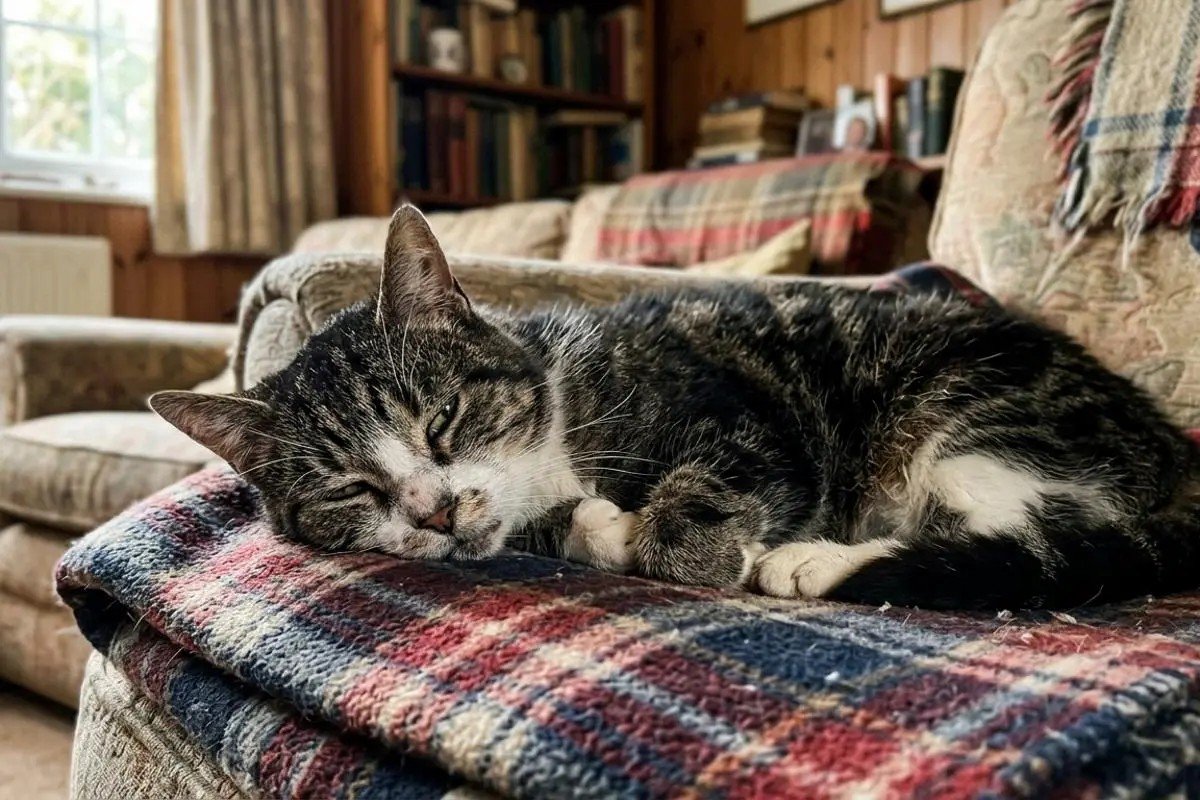
A terminally ill cat does not need to play like a kitten. A favorite window, comfortable nap, affection, grooming, a treat, or simply choosing to rest near you can still represent meaningful engagement.
What Is Likely to Happen Next?
Ask your veterinarian or oncologist what the expected disease trajectory looks like, which complications may occur, and which changes would indicate that comfort is becoming difficult to maintain.
Hospice and Palliative Care May Still Have an Important Role
Choosing not to pursue aggressive cancer treatment does not mean that nothing can be done.
Veterinary palliative and hospice care focus on reducing suffering, supporting daily comfort, preparing for expected decline, and helping the family understand what to do if a crisis occurs.
Why Some Families Choose In-Home Euthanasia for a Cat With Cancer
A cat with advanced cancer may be weak, painful, easily stressed, or less tolerant of travel and handling than before.
In-home euthanasia allows your cat to remain in familiar surroundings while your family has privacy and time together.
Calm Paws Vet uses a sedation-first process. Dr. Jake explains each step before medications are given and allows your cat to become deeply sedated before the final medication is administered.
Cat Cancer and End-of-Life Decisions
Does a cancer diagnosis mean I should euthanize my cat?
No. Cancer includes many different diseases, and some can be treated or managed for meaningful periods of time.
The decision should consider the specific cancer, stage and grade when known, prognosis, treatment options, other medical conditions, treatment response, and your cat's quality of life.
Should I wait until my cat stops eating completely?
No single symptom should be used as a universal requirement before discussing euthanasia.
Appetite matters, but pain, breathing, mobility, hydration, hygiene, nausea, elimination, engagement, and the overall disease trajectory matter too.
How do I know if my cat with cancer is in pain?
Cats may show pain through hiding, changes in posture, reluctance to move, sensitivity to touch, squinting, reduced grooming, appetite changes, difficulty resting, or changes in normal interaction.
These signs are not specific to cancer, so ask your veterinarian to assess your cat rather than trying to determine the cause from behavior alone.
What if my cat still has good days?
Good days matter. A comfortable nap, affection, food, grooming, looking out the window, or choosing to be near family can still represent meaningful quality of life.
Consider those moments alongside the larger trend rather than allowing either the best day or the worst day to represent the whole situation.
Is chemotherapy always hard on cats?
No. Veterinary oncology treatments are selected with quality of life in mind, and many cats tolerate chemotherapy reasonably well.
Side effects can still occur, including appetite changes, nausea, vomiting, diarrhea, or other problems depending on the treatment. Your veterinarian or oncologist can explain the expected risks and benefits of the specific protocol being considered.
Can hospice help a cat with terminal cancer?
It may. Hospice and palliative care focus on comfort, symptom management, environmental support, crisis planning, and preparing for the expected progression of terminal disease.
Whether hospice is appropriate depends on your cat's symptoms, disease trajectory, caregiver resources, and whether comfort can still be adequately maintained.
Can I discuss euthanasia before I am ready to schedule it?
Yes. Learning about the process, discussing quality of life, and reviewing aftercare options do not commit your family to scheduling euthanasia.
Planning before a crisis can make the next decision more informed if your cat's comfort declines.
When should I seek emergency care instead of waiting for an in-home visit?
Seek immediate veterinary care for severe breathing difficulty, collapse, significant uncontrolled bleeding, repeated seizures, severe uncontrolled pain, or another rapidly worsening medical crisis.
Calm Paws Vet provides hospice and in-home euthanasia rather than emergency life-saving treatment.
Sources and Further Reading
You Do Not Need Absolute Certainty Before You Ask for Guidance
If your cat's cancer is progressing and you are unsure whether treatment or hospice can still provide enough comfort, you can contact Dr. Jake to discuss quality of life and what an in-home end-of-life visit would involve if the time comes.
I care for families across Suffolk County and Long Island's North Shore. In the Three Village and Setauket area, in-home visits are scheduled for weekday evenings and weekends, with daytime weekday visits available for families further out on Long Island.
More Help With the Decision
The Cancer Diagnosis Does Not Make the Decision by Itself
The question is whether your cat can still experience enough comfort, function, and meaningful connection, and whether treatment is still helping more than it is asking of them.