If you are considering in-home pet euthanasia, one of the hardest parts may be not knowing exactly what you will see when the veterinarian arrives.
Will your pet know what is happening? What does sedation look like? Can you stay beside them? Will their breathing change? What happens after the final medication?
At Calm Paws Vet, Dr. Jake Labriola uses a sedation-first process and explains what is happening before medications are given.
Every dog and cat responds a little differently, but understanding the general experience can make an unfamiliar medical process feel less frightening.
What Happens During In-Home Pet Euthanasia?
The visit begins with conversation, followed by a pre-euthanasia sedative that allows your pet to become deeply relaxed and fall asleep. Dr. Jake assesses the sedation before administering the final euthanasia medication.
After your pet has passed, Dr. Jake confirms the death and your family can have quiet time together before aftercare begins.
The Visit Starts With Conversation, Not Medication
Dr. Jake begins by meeting your family and your pet, reviewing the plan, and answering questions.
This gives you a chance to ask about anything that is worrying you before the medical portion begins.
What Happens When the Sedative Is Given?
Calm Paws Vet begins the medical process with a pre-euthanasia sedative given through a small injection under the skin.
The injection itself may feel like a brief pinch. Afterward, your pet is given time to become progressively more relaxed and sleepy.
Age, illness, hydration, circulation, body condition, and other medical factors can affect medication response. Dr. Jake assesses your individual pet before moving to the final medication.
What Can Your Family Do During Sedation?
You do not have to move away from your pet simply because the medical process has begun.
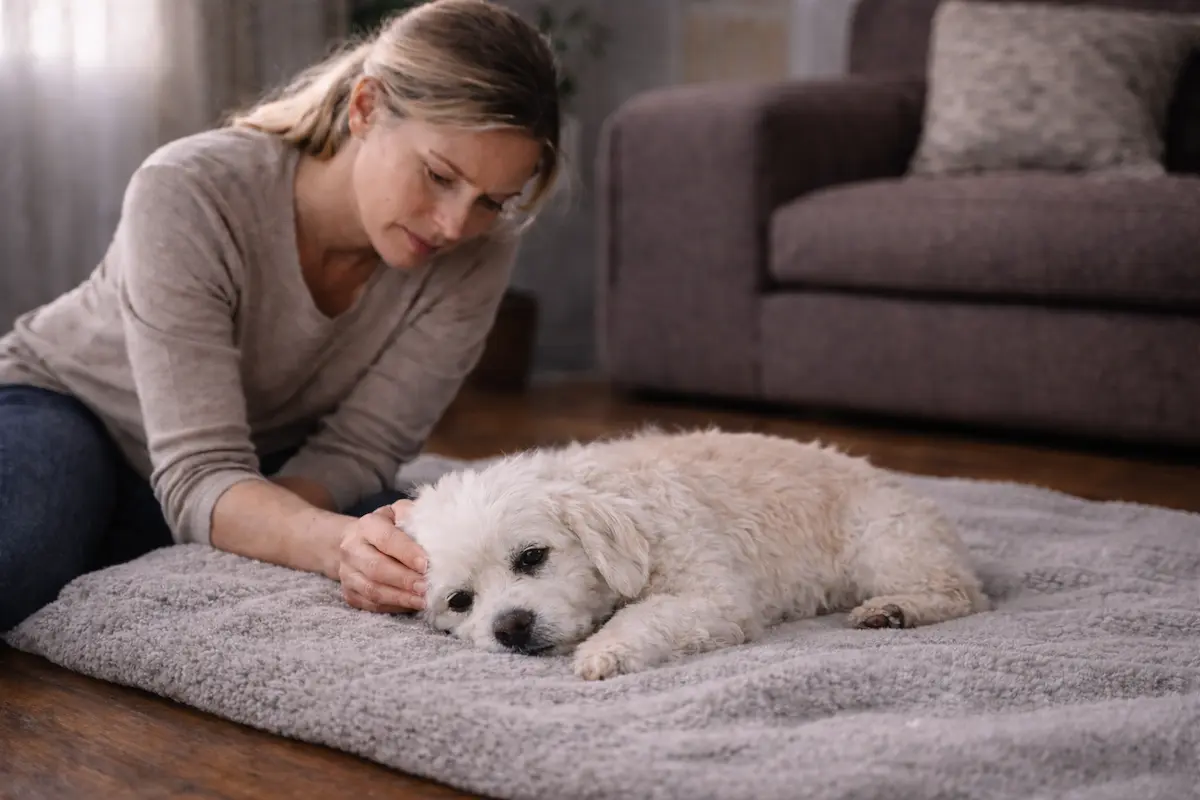
When it is safe and practical, family members can remain close and continue providing familiar comfort.
What Happens Once Your Pet Is Deeply Sedated?
Dr. Jake gives the sedative time to work and assesses your pet before proceeding.
Once your pet is deeply sedated and asleep, the final euthanasia medication is administered.
The medication causes irreversible unconsciousness followed by the stopping of breathing and the heart. Dr. Jake remains with your pet and confirms when they have passed.
What Physical Changes Might You See?
The body does not always become completely still in the exact way families imagine. A few normal physical changes can occur around or after death.
What Happens Immediately After Pet Euthanasia?
The appointment does not end the moment your pet's heart stops.
After Dr. Jake confirms that your pet has passed, your family can spend quiet time together before moving forward with aftercare.
The Appointment Does Not Follow an Exact Stopwatch
Many Calm Paws Vet visits are completed in around 30 minutes, but individual appointments can be shorter or longer.
Your pet's response to sedation, their medical condition, the questions your family has, and the amount of time you want together afterward can all affect the length of the visit.
The 5 to 15 minute sedation range used in Calm Paws Vet's current protocol describes what commonly happens, not a deadline for moving to the next step.
Does In-Home Euthanasia Look Different for Dogs and Cats?
The overall sedation-first approach is similar, but the details of handling and positioning can vary based on the individual pet.
The important point is that Dr. Jake adapts the setup to the individual pet rather than expecting every dog or cat to experience the appointment in exactly the same way.
If your pet has severe breathing difficulty, uncontrolled seizures, repeated collapse, significant uncontrolled bleeding, severe uncontrolled pain, or another acute medical emergency, contact your primary veterinarian or the nearest emergency veterinary hospital.
Calm Paws Vet focuses on hospice and scheduled in-home euthanasia care.
Questions About What Happens During Pet Euthanasia at Home
What happens during in-home pet euthanasia?
The visit begins with a conversation and a comfortable setup for your pet. Calm Paws Vet then uses a pre-euthanasia sedative so your pet can become deeply relaxed and asleep. Dr. Jake assesses the sedation before administering the final euthanasia medication. After your pet has passed, your family can have quiet time together before aftercare begins.
Will my pet be sedated first?
Yes. Calm Paws Vet uses a sedation-first process. A pre-euthanasia sedative is given before the final medication so your pet can become deeply relaxed and asleep first.
What will my pet do as the sedative takes effect?
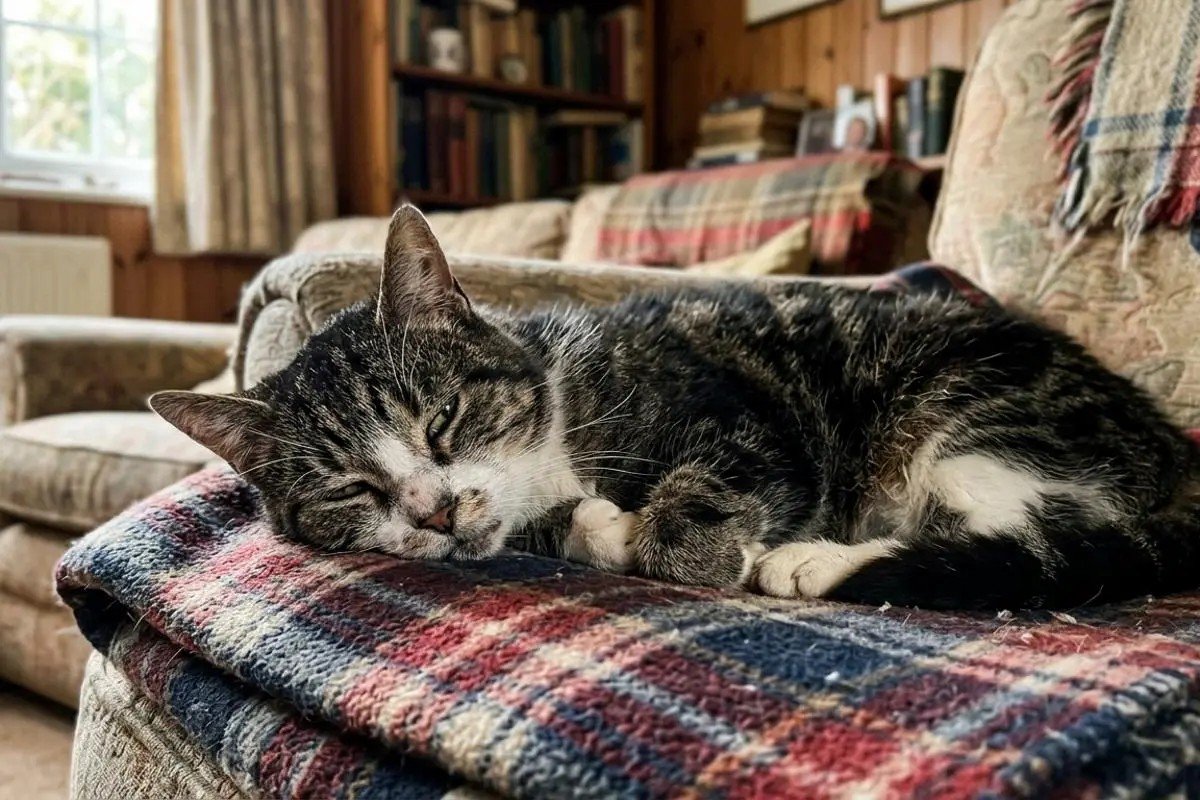
Your pet may become quieter, settle more heavily into their bed or blanket, lower their head, become less responsive to the room, and progressively fall asleep. Every pet responds somewhat differently.
Does the sedative injection hurt?
The initial injection may feel like a brief pinch or cause momentary discomfort. Individual dogs and cats respond differently to injections.
How long does it take for my pet to become sedated?
With the current Calm Paws Vet protocol, deep sedation commonly develops over approximately 5 to 15 minutes. The exact timing can vary based on the individual pet's illness, age, circulation, hydration, body condition, and other medical factors.
Dr. Jake assesses your pet before proceeding rather than relying only on a timer.
Can I stay beside my pet?
Yes. Family members can generally remain close, talk to, touch, and comfort their pet when it is safe and practical for the veterinary procedure.
Can I hold my pet during euthanasia?
In many situations, yes. The exact position depends on your pet's size, condition, and the access Dr. Jake needs to safely administer medication. Tell him if holding your pet is important to you so the setup can be discussed.
Why might my pet twitch or take a deep breath afterward?
Deep breaths and small muscle movements can sometimes occur as reflexes around the time of death. These physical changes do not by themselves mean that your pet is conscious or experiencing suffering.
Will my pet's eyes close after euthanasia?
Not always. A pet's eyes may remain partly or fully open after death. This is a normal physical occurrence and does not indicate discomfort.
What happens after my pet passes?
Dr. Jake confirms that your pet has passed and your family can have quiet time together. When you are ready, the aftercare plan discussed beforehand can move forward.
How long does an in-home euthanasia appointment take?
Many Calm Paws Vet visits are completed in around 30 minutes, but there is no exact required length. Sedation response, your pet's condition, your questions, and the amount of family time you want can all affect the visit.
Sources and Further Reading
You Can Ask What Will Happen Before You Schedule
If there is a particular part of euthanasia that worries you, you can ask Dr. Jake about it before making a final decision.
I care for families across Suffolk County and Long Island's North Shore. In the Three Village and Setauket area, in-home visits are scheduled for weekday evenings and weekends, with daytime weekday visits available for families further out on Long Island.
More Information About an In-Home Goodbye
You Do Not Have to Enter the Appointment With Unanswered Questions
If you are worried about sedation, the final medication, physical changes, being present, or what happens afterward, Dr. Jake can talk through those concerns before the visit.