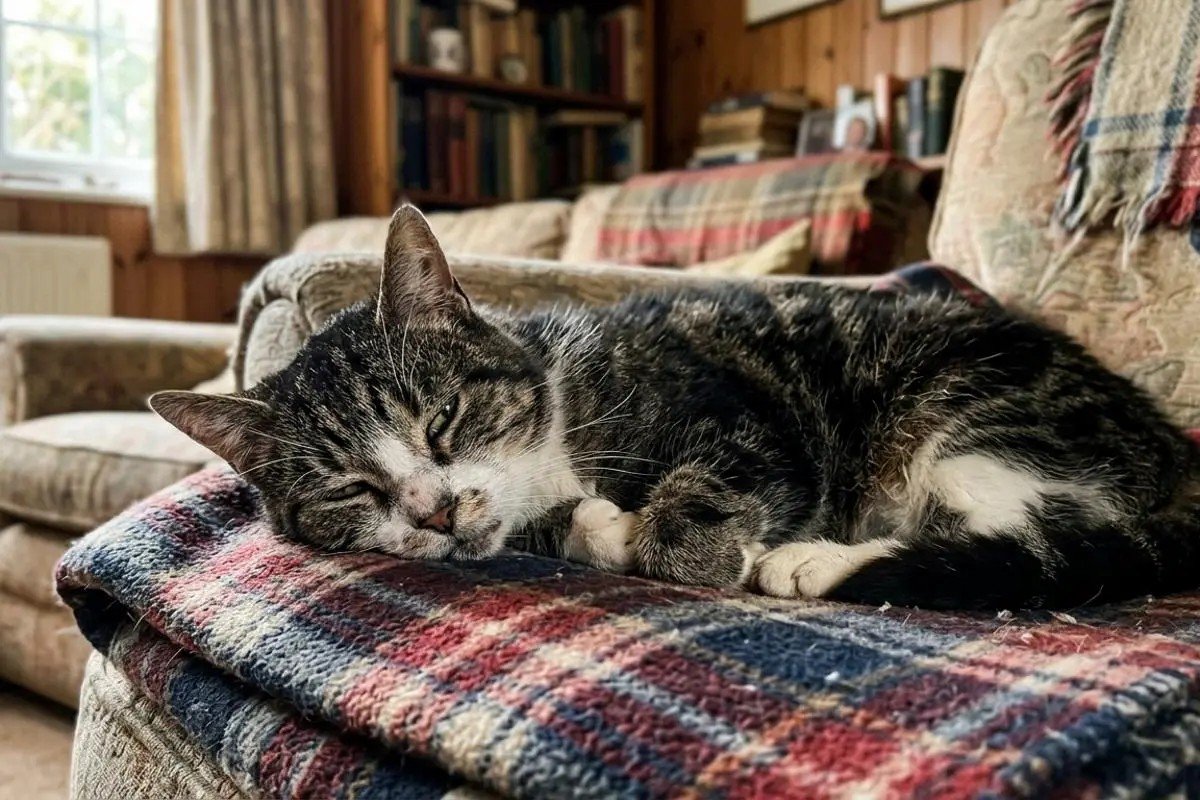
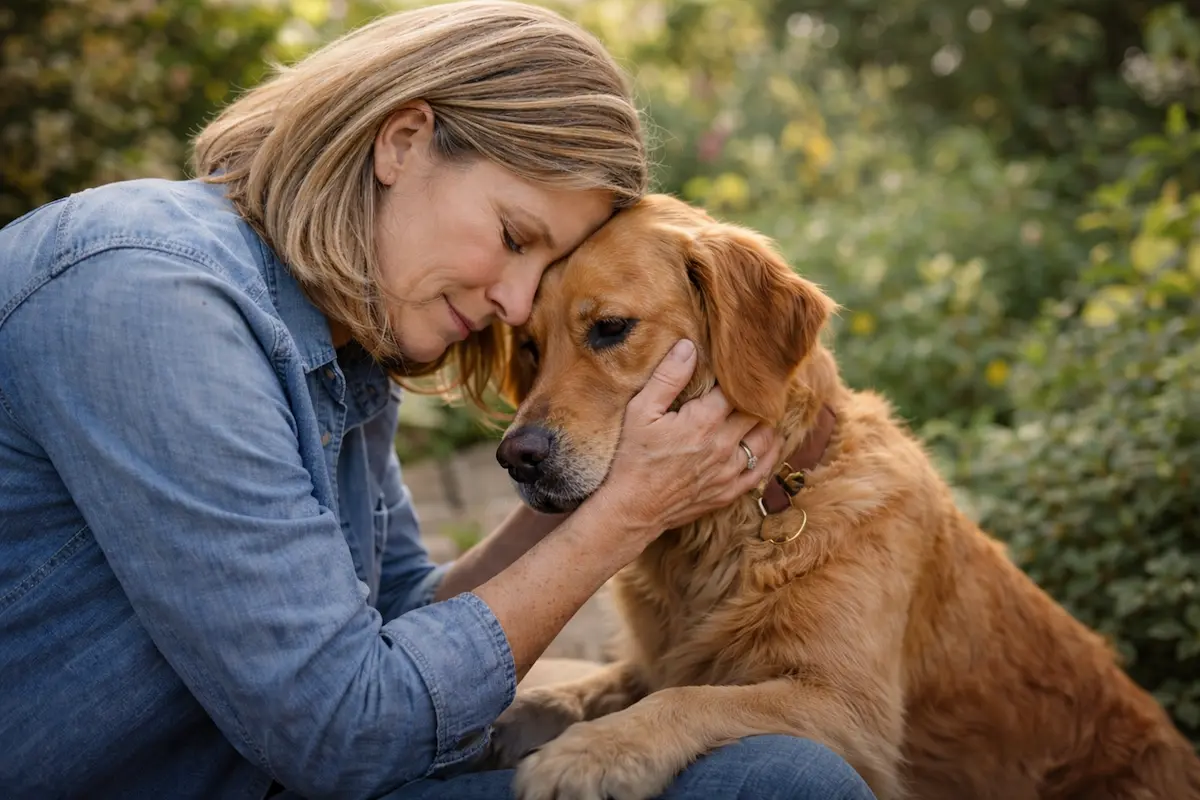
Deciding on at-home euthanasia is one of the hardest choices a pet owner can make. This guide offers clear, compassionate steps to help you plan and feel more prepared. At-home euthanasia lets your pet pass in familiar surroundings, reducing stress for both them and your family. Knowing what to expect and how to prepare can ease the emotional load and help create a calm, respectful farewell. Below we cover practical preparations, emotional readiness, needed supplies, how the procedure typically unfolds, and aftercare options.
What Are the Key Preparations for At-Home Pet Euthanasia?
Preparing for an at-home euthanasia involves a few important steps that help ensure the visit is calm and respectful.
- Recognize the Emotional Impact: This is an emotional time. Give yourself and your family permission to feel grief, ask questions, and take the time you need to say goodbye.
- Gather Comfort Items: Having blankets, a favorite toy, and a few treats on hand helps make the space familiar and soothing for your pet.
- Create a Quiet, Safe Space: Choose a spot where your pet usually feels relaxed. Soft lighting, a comfortable bed, and familiar scents can make a real difference.
These simple preparations can help your pet remain comfortable and help your family focus on spending meaningful time together.
How to Prepare Your Pet Physically and Emotionally for Euthanasia
Preparing both the body and spirit of your pet helps make the experience peaceful.
Watch for signs your pet is in distress, such as changes in appetite, mobility, or behavior, and share these observations with your veterinarian. Gentle touch, quiet reassurance, and familiar routines can calm many pets. Your veterinarian can also advise on medications or comfort measures to reduce pain and anxiety in the days or hours before the visit.
What Supplies and Environment Setup Are Needed for the Procedure
Having supplies and the right environment ready helps the appointment run smoothly and keeps your pet comfortable.
Essential supplies include:
- Comfort Items: Blankets, your pet’s favorite toy, and treats to help them feel secure and familiar.
- Medical Items: Any prescribed medications or specific equipment the veterinarian has recommended.
- Space Preparation: A quiet room with easy access and soft bedding where your pet can relax without interruptions.
Setting up a calm environment can make the final moments gentler for everyone involved.
| Essential Supplies | Purpose |
|---|---|
| Blankets | Keep your pet warm and comforted |
| Favorite Toys | Offer emotional familiarity and reassurance |
| Treats | Provide calm distraction and comfort |
| Medications/Equipment | Support any medical or comfort needs during the visit |
| Soft Bedding | Create a secure, comfortable resting area |
How Does the At-Home Dog and Cat Euthanasia Process Work?
The at-home euthanasia process is designed to be gentle and as stress-free as possible for your pet and your family.
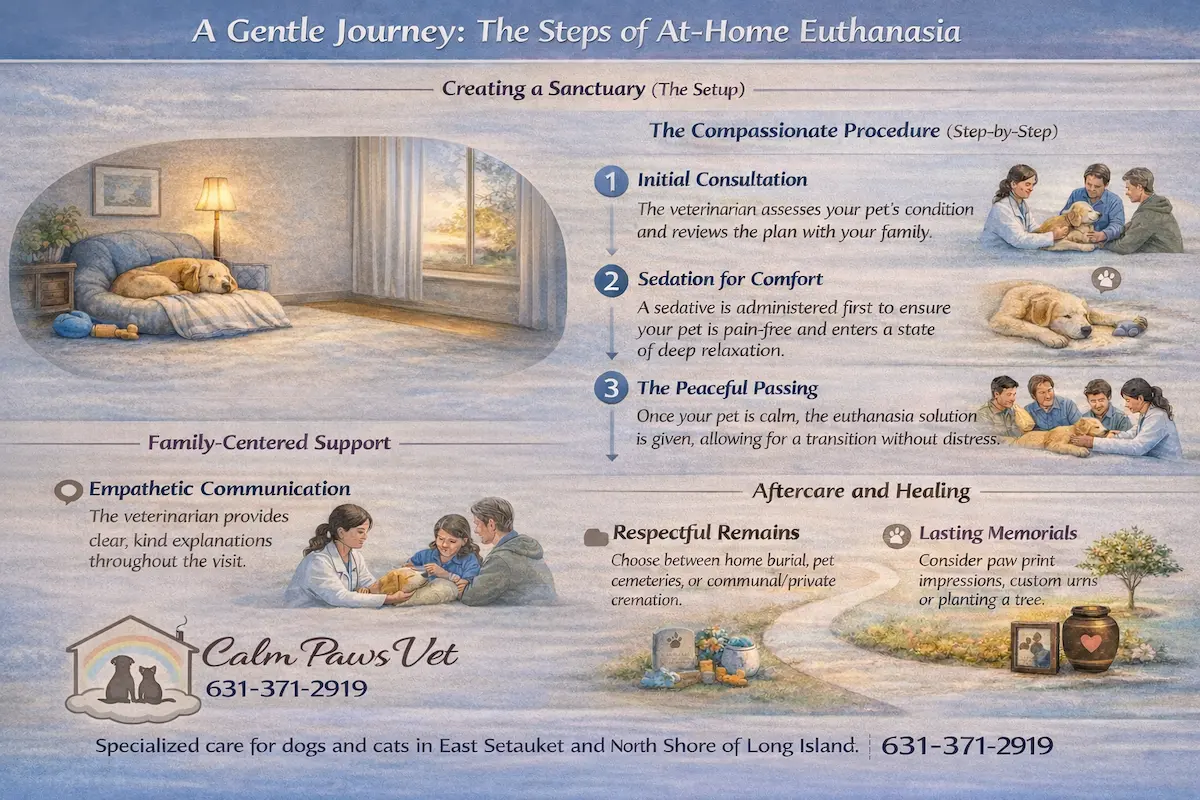
A veterinarian will come to your home, evaluate your pet, and walk you through the steps. Most vets first give a sedative so your pet can relax and any pain is eased. Once your pet is calm, the veterinarian administers the euthanasia solution, which allows them to pass peacefully. Knowing these steps ahead of time can lessen anxiety and help you focus on being with your pet.
What Are the Step-by-Step Procedures During At-Home Euthanasia?
Understanding the typical steps helps you prepare emotionally and practically for the visit.
- Prepare Before the Vet Arrives: Set up the room, gather comfort items, and have any questions ready for the veterinarian.
- Sedation: A sedative is given to help your pet relax and remain comfortable.
- Euthanasia: After your pet is calm, the euthanasia solution is administered so your pet can pass peacefully and without distress.
These steps are carried out with care to ensure dignity for your pet and support for your family.
| Step | Description |
|---|---|
| 1. Preparation | Arrange the area and have comfort items and questions ready before the visit. |
| 2. Sedation | The veterinarian gives a sedative so your pet can relax and be pain-free. |
| 3. Euthanasia | The veterinarian administers the euthanasia solution, allowing your pet to pass gently. |
How Does Calm Paws Vet Ensure a Stress-Reducing Experience?
Calm Paws Vet focuses on compassionate in-home care that reduces stress for pets and families. Our approach includes:
- Pet Comfort First: We prioritize calming techniques, gentle handling, and a quiet environment so your pet feels safe.
- Family Support: We offer clear information, emotional support, and time for you to say goodbye in a way that feels right for your family.
Scheduling an in-home visit with Calm Paws Vet helps ensure your pet receives respectful, compassionate care in their final moments.
What Emotional Support Is Available for Families During Pet’s at-home Euthanasia?
Emotional support is an important part of the process—for both adults and children in the family.
Support options include:
- Professional Counseling: Trained counselors can help you process grief and manage overwhelming feelings.
- Support Groups: Connecting with others who’ve been through pet loss can offer comfort and shared understanding.
- Grief Resources: Books, websites, and pet-loss organizations provide practical advice and emotional guidance.
Using these supports can help you and your family cope after the loss.
How to Comfort Your Pet and Family Members Before and During at-home Euthanasia
Comforting your pet and family helps make the goodbye gentler and more meaningful.
Ways to comfort your pet include:
- Gentle Touch: Calm strokes and close presence can ease anxiety and reinforce safety.
- Soft, Reassuring Words: Quiet, steady voices help many animals feel secure.
- Soothing Environment: Dim lights, soft music, or familiar scents can lower stress for everyone.
For family members, encourage open sharing of feelings, allow time for private goodbyes, and consider arranging follow-up support if needed.
What Resources Support Mental Health and Grieving for Pet Owners?
There are many resources to help with grief after losing a pet.
Common supports include:
- Books and Articles: Reading others’ experiences can normalize grief and offer coping strategies.
- Online Communities: Forums and social groups provide connection and empathy from people who understand.
- Local Therapists: Professional counselors experienced with bereavement can offer individualized care.
Reaching out to these resources can provide comfort and tools for navigating grief over time.
What Are the Essential Aftercare and Memorializing Options Following at-home Euthanasia?
Aftercare and memorial choices let families honor their pet and find closure.
Options to consider include:
- Burial: A private burial at home or in a pet cemetery can be a meaningful resting place.
- Cremation: Many providers offer individual or communal cremation, with options for returning ashes if desired.
- Memorials: Planting a tree, creating a photo book, or keeping a paw print can help keep your pet’s memory alive.
Choosing what feels most respectful and comforting will guide the right aftercare for your family.
How to Manage Pet Aftercare and Remains Respectfully
Handling aftercare with care and clarity helps families move forward respectfully.
Consider these steps:
- Decide What Feels Right: Think about what best reflects your pet’s life and your family’s wishes.
- Check Local Rules: Be aware of any local regulations about burial or cremation.
- Communicate Clearly: Share your preferences with the veterinarian or aftercare provider so your wishes are followed.
These actions help ensure your pet’s remains are handled with dignity and respect.
What Memorializing Practices Help Families Honor Their Pets?
Memorials can be simple or elaborate—what matters is that they feel meaningful.
Ideas include:
- Dedicated Memorial Space: Create a small garden, corner, or shelf in your home where you can remember your pet.
- Keepsakes: Paw print casts, jewelry with ashes, or custom portraits offer lasting reminders.
- Celebration of Life: Invite friends and family to share stories and memories in a small gathering.
Frequently Asked Questions
What should I expect during the at-home euthanasia procedure?
A veterinarian will come to your home, assess your pet, and explain the process. They typically give a sedative so your pet is calm and comfortable, then administer the at-home euthanasia solution so your pet can pass peacefully in a familiar place.
How can I prepare my home for my pet’s at-home euthanasia?
Set up a quiet, comfortable area with soft bedding, favorite toys, and blankets. Dim the lights and reduce noise to help your pet feel safe and calm during the visit.
Is it normal to feel overwhelmed or emotional during this time?
Absolutely. It’s normal to feel sadness, relief, confusion, or a mix of emotions. Allow yourself to grieve and consider reaching out for support from friends, family, or professionals.
What kind of emotional support is available for families?
Families can access counselors who specialize in bereavement, join support groups, or use resources from pet-loss organizations. These options offer guidance and shared understanding.
Can I be present during at-home euthanasia procedure?
Yes. Most veterinarians encourage family members to be present to comfort the pet and share final moments. Being there can help with closure and honor your relationship with your pet.
What are my options for aftercare following at-home euthanasia?
Aftercare choices include burial at home or in a pet cemetery, cremation (individual or communal), and creating memorials like planting a tree or compiling a scrapbook to remember your pet.
How do I choose the right aftercare option?
Choose what feels most respectful and meaningful to your family, taking into account local laws and logistics. Discuss options with your veterinarian or aftercare provider to find the best fit for your needs.