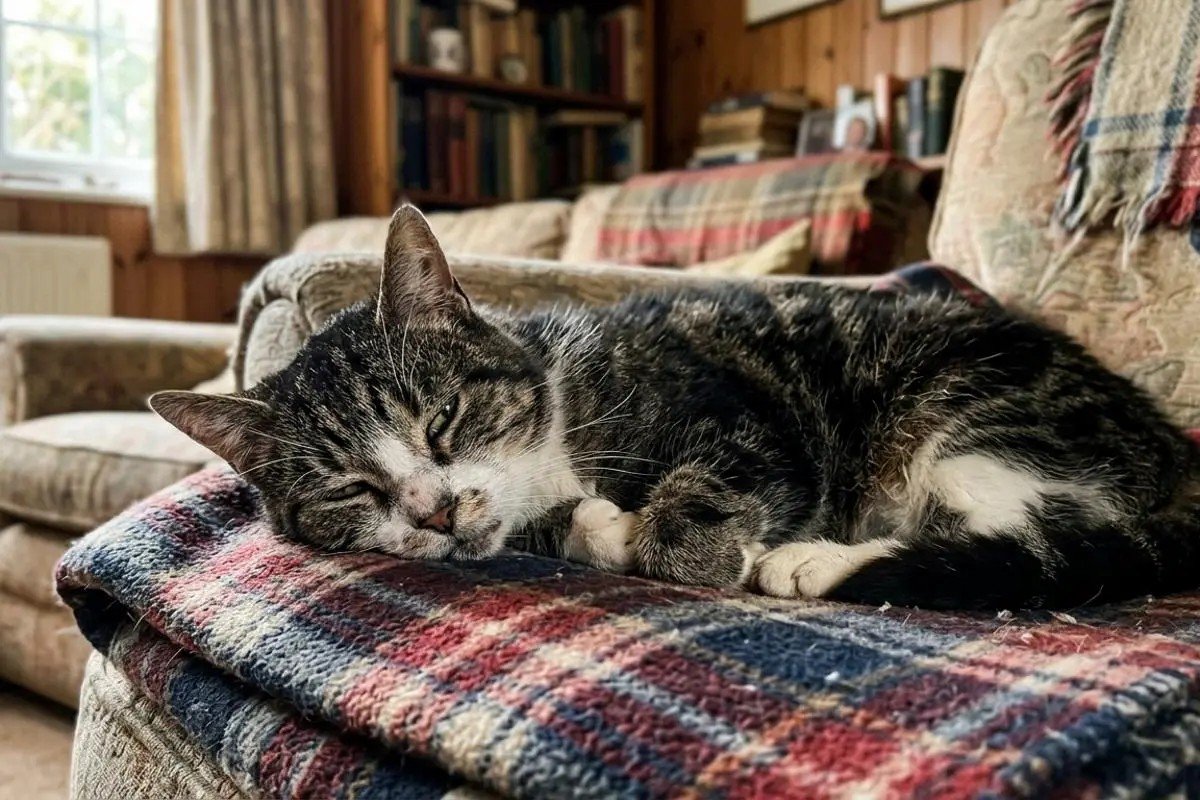
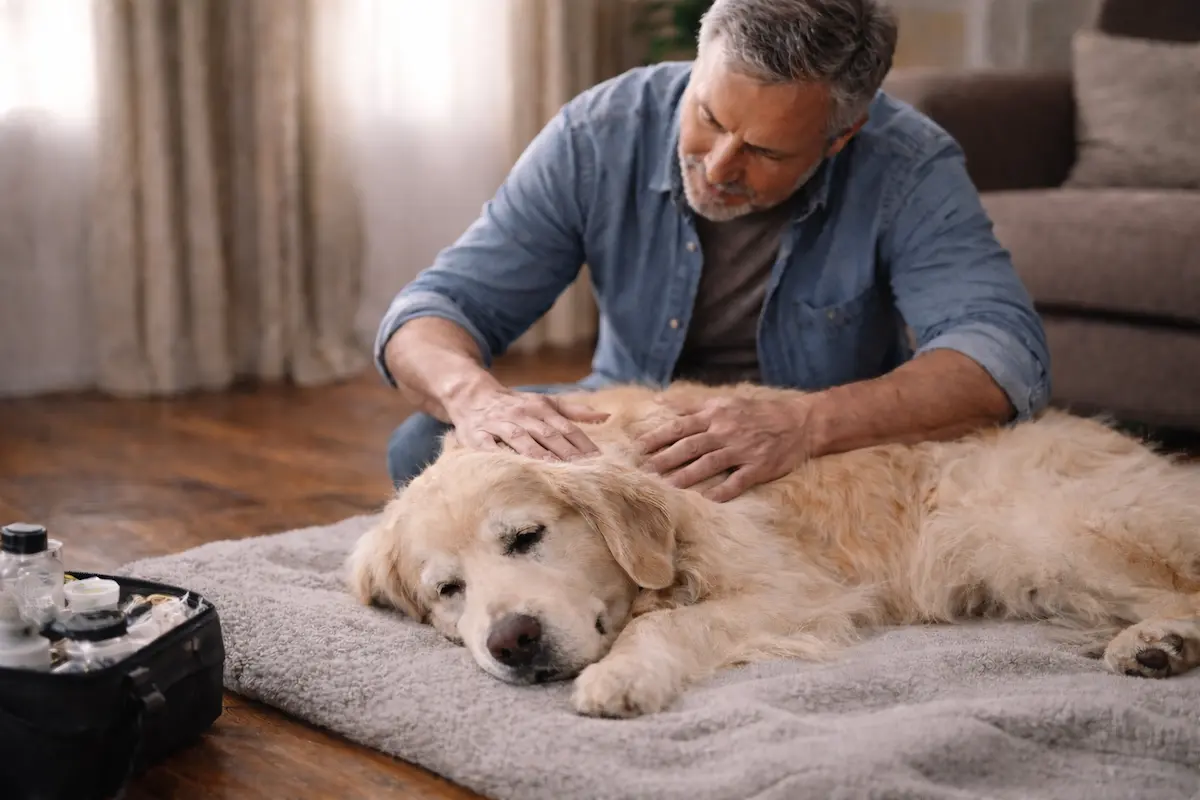
Deciding for in-home pet euthanasia of your beloved pet is one of the hardest choices you may ever face. In‑home pet euthanasia gives pets a calm, familiar place to pass — often reducing stress for both animals and their families. This guide explains the in‑home euthanasia process, what typically happens, and practical steps you can take to prepare your pet and family. Knowing the process ahead of time can help you make thoughtful decisions and ensure your pet’s final moments are as peaceful and dignified as possible. We cover the procedure, signs that euthanasia may be appropriate, how to prepare, and aftercare options.
Research underscores the value of in‑home euthanasia and the emotional support veterinarians can provide during this difficult time.
Pet Owners’ Preference for In‑Home Euthanasia & Emotional Support
Many pet owners reported a preference for in‑home euthanasia when care was urgent, and they valued veterinarians who were trained and prepared to support their emotional needs.
Exploring pet owners’ experiences and self‐reported satisfaction and grief following companion animal euthanasia, DK Khosa, 2020
How Does In‑Home Pet Euthanasia Work?
In‑home euthanasia lets you say goodbye in the setting where your pet is most comfortable. A veterinarian will usually give a sedative first to help your pet relax. Once your pet is calm, the euthanasia medication is administered, causing a peaceful and painless passing. The vet will explain each step, answer your questions, and guide you through the process so you can make informed choices that feel right for your family.
Calm Paws Vet provides mobile veterinary care, including in‑home euthanasia, with a focus on compassion and support for pets and families during this difficult time.
Step‑by‑Step Overview of the Mobile Euthanasia Process
The mobile euthanasia visit usually follows a clear, respectful sequence to keep things calm and predictable for your pet and family:
- Initial Consultation: The veterinarian reviews your pet’s condition, explains the process, and answers questions to help you decide.
- Preparation: Medications and supplies are readied and the space is arranged to be quiet and comfortable.
- Sedation: A sedative is given to ease anxiety and help your pet relax.
- Euthanasia Injection: Once your pet is peaceful, the euthanasia medication is given, allowing a gentle and painless transition.
- Aftercare Discussion: The veterinarian will review aftercare choices like cremation or burial and help you make arrangements.
This structured approach helps reduce stress and supports a gentle experience for everyone involved.
Medications and Techniques Used in Pet Euthanasia
Veterinarians typically use a two‑step approach: a sedative to calm the animal, followed by a pet euthanasia solution that ends life quickly and painlessly. Pentobarbital is a commonly used euthanasia agent; the exact drugs and doses are chosen based on your pet’s species, size, and medical condition.
Ensuring the pet is fully sedated before administering the pet euthanasia solution is standard practice. That care helps minimize any distress and supports a peaceful passing.
Contemporary protocols aim to balance the pet’s physical needs with compassionate attention to the owner’s emotional experience.
Euthanasia Protocols: Balancing Pet’s Condition & Owner’s Emotions
Newer protocols are being developed that consider both the animal’s clinical condition and the emotional needs of the owner.
Modern approaches to immobilization and euthanasia of dogs, SV Huralska, 2025
What Are the Signs That Indicate My Pet Needs Euthanasia?
Telling when it’s time can be heart‑wrenching. Some signs that pet euthanasia may be appropriate include:
- Chronic Pain: Ongoing pain that can’t be controlled with treatment.
- Loss of Mobility: Serious difficulty standing, walking, or moving around.
- Loss of Appetite: A sustained refusal to eat or significant weight loss.
- Behavioral Changes: Marked changes like aggression, hiding, or severe withdrawal.
Talk with your veterinarian — they can help assess your pet’s quality of life and guide you through the decision.
Recognizing Physical and Behavioral Symptoms in Dogs and Cats
Knowing common warning signs can help you act sooner rather than later. Watch for:
- Dogs: Heavy panting, trouble standing, reluctance to do things they once enjoyed.
- Cats: Hiding more, poor grooming, or noticeable changes in vocalization.
Noticing these patterns and discussing them with your vet can clarify whether it’s time to consider end‑of‑life care.
Consulting Veterinary Professionals for End‑of‑Life Decisions
Your veterinarian is an important partner in end‑of‑life decisions. They can explain prognosis, pain control options, and what pet euthanasia would involve for your pet. Don’t hesitate to ask questions, share your concerns, and request time to think things through — open communication helps you feel supported and confident in your choices.
How Should I Prepare My Pet and Family for In‑Home Pet Euthanasia?
Preparing involves practical steps and emotional conversation. Consider these suggestions:
- Emotional Preparation: Talk with family members so everyone understands the decision and can say their goodbyes if they choose.
- Creating a Peaceful Environment: Pick a quiet, familiar spot where your pet feels safe — soft bedding, dim lighting, and few interruptions help.
- Gathering Necessary Supplies: Have blankets, a favorite toy, or a comfort item nearby to soothe your pet.
These measures can help make the experience more peaceful for your pet and comforting for your family.
Emotional Support Strategies for Pet Owners and Families
The grief that follows a pet’s death can be intense. Consider these ways to cope:
- Talk About Your Feelings: Share memories and emotions with friends, family, or pet‑loss support groups.
- Create a Memorial: A small ceremony, keepsake, or memorial spot can help honor your pet and aid healing.
- Seek Professional Help: If grief feels overwhelming, a counselor who understands pet loss can offer guidance and support.
These strategies can help you and your family navigate grief in a healthy, personalized way.
Research supports structured, personalized support for pet owners facing end‑of‑life decisions, highlighting the value of emotional care and clear information.
Addressing Emotional Aspects of Pet Loss: The EPITO Support System
This approach addresses the emotional challenges of pet loss by emphasizing four elements: Emotional support, Personalization, Information, and Training — forming the EPITO system.
All pet owners are not the same: End‑of‑Life caregiver expectations and profiles., S Hoummady, 2025
Practical Steps to Prepare Your Home and Pet
Make practical preparations to keep the visit calm and comfortable:
- Setting Up a Comfortable Space: Choose a quiet area where your pet usually relaxes and remove distractions.
- Gathering Necessary Supplies: Have soft blankets, favorite toys, and any comfort items within reach.
- Involving Family Members: Let family members know the plan so those who want to be present can say goodbye.
These preparations help create a supportive environment for your pet’s final moments.
What Aftercare Options Are Available Following Home Pet Euthanasia?
Aftercare options let you honor your pet in a way that feels right. Common choices include:
- Cremation: Available as individual (your pet only) or communal (multiple pets) services.
- Burial: Home burial or interment in a pet cemetery may be possible depending on local rules.
- Memorial Services: A ceremony, keepsake, or other rituals can help your family say goodbye.
Calm Paws Vet can discuss aftercare options with you and help arrange services that treat your pet with dignity and respect.
| Aftercare Option | Description | Considerations |
|---|---|---|
| Cremation | Individual or communal cremation services available | Check local regulations for home burial |
| Burial | Options for home burial or pet cemeteries | Ensure the burial site is appropriate |
| Memorial Services | Services to honor your pet’s life | Can include ceremonies or keepsakes |
This table summarizes aftercare choices to help you make an informed decision during a difficult time.
Cremation, Burial, and Memorial Services Explained
Cremation can be arranged as private (only your pet) or communal. Burial options vary by local laws and may include home burial or a pet cemetery. Memorial services give families a chance to celebrate a pet’s life and share memories, which can support the grieving process. Choose the option that best reflects your feelings and family traditions.
Accessing Emotional Support and Pet Loss Resources
Support is available in many forms:
- Support Groups: Local groups provide a safe space to share experiences and find comfort.
- Online Resources: Forums and websites can offer information, shared stories, and practical tips.
- Counseling Services: Therapists who specialize in bereavement or pet loss can help you work through strong emotions.
Accessing these resources can give you guidance and community as you cope with loss.
Common Sedatives and Euthanasia Agents Used in In‑Home Pet Euthanasia
The table below lists commonly used sedatives and euthanasia agents, with their purposes and typical effects:
| Medication | Purpose | Typical Effects |
|---|---|---|
| Acepromazine | Sedative and tranquilizer | Calms the pet, reduces anxiety |
| Diazepam (Valium) | Sedative and muscle relaxant | Relaxes muscles, reduces anxiety |
| Pentobarbital | Euthanasia agent | Induces painless and rapid unconsciousness and death |
| Propofol | Anesthetic agent | Induces sedation and unconsciousness |
Frequently Asked Questions:
What is in‑home pet euthanasia?
In‑home pet euthanasia is when a veterinarian comes to your home to perform euthanasia so your pet can pass in a familiar, comfortable environment. This often reduces stress for both the pet and the family during a very emotional time.
How do I know when it is time to consider pet euthanasia for my pet?
Consider pet euthanasia when your pet has unmanageable pain, severe loss of mobility, long‑term loss of appetite, or major behavioral changes that indicate poor quality of life. Your veterinarian can help assess the situation and guide your decision.
What should I do to prepare my home for in‑home pet euthanasia?
Set up a quiet, comfortable spot where your pet is relaxed. Have familiar blankets or toys nearby and let family members who want to be present know the plan. Take time to talk through feelings with loved ones beforehand.
What medications are used during in‑home pet euthanasia?
The procedure commonly starts with a sedative to relax the pet, followed by a pet euthanasia injection such as pentobarbital, which brings about a peaceful and painless passing.
What aftercare options are available after pet euthanasia?
Aftercare options include individual or communal cremation, burial at home or in a pet cemetery (where allowed), and memorial services. Your veterinarian can explain choices and help with arrangements.
Where can I find emotional support after losing my pet?
Emotional support is available through local support groups, online communities, and professional counselors who specialize in pet loss. Talking about your grief and creating memorials or rituals can also help with healing.