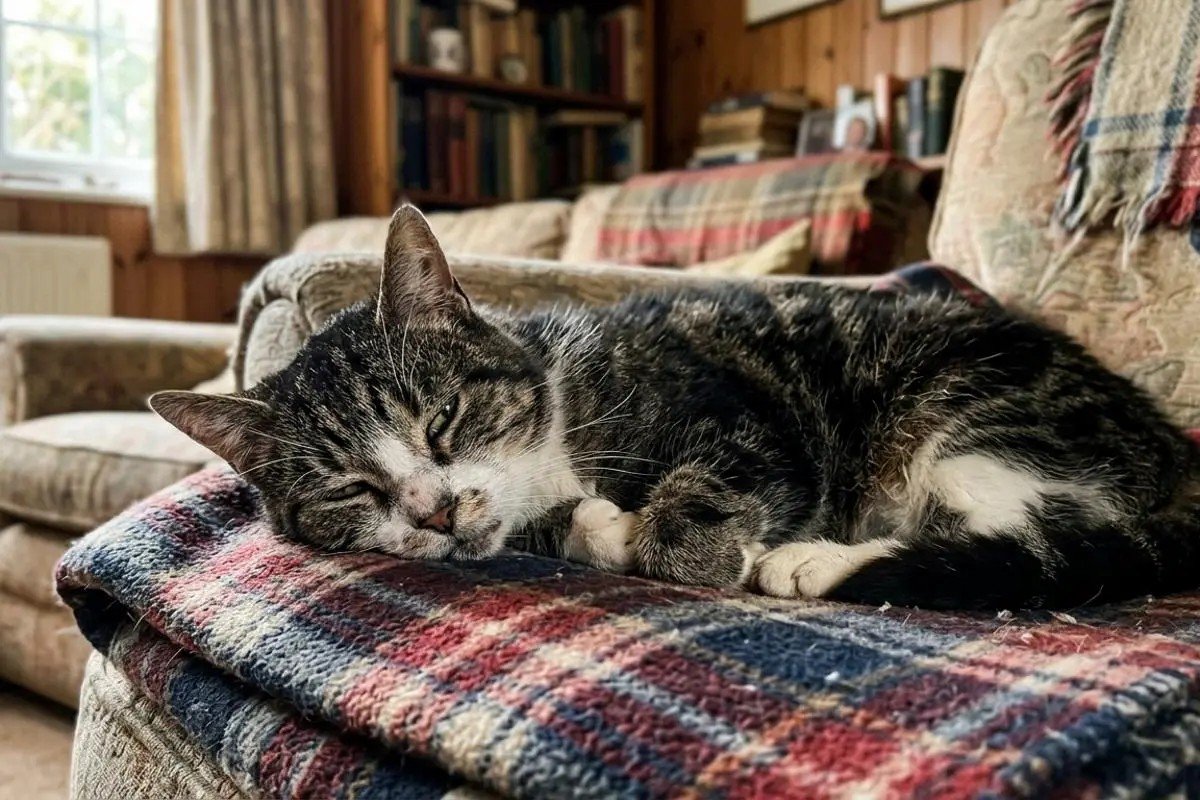
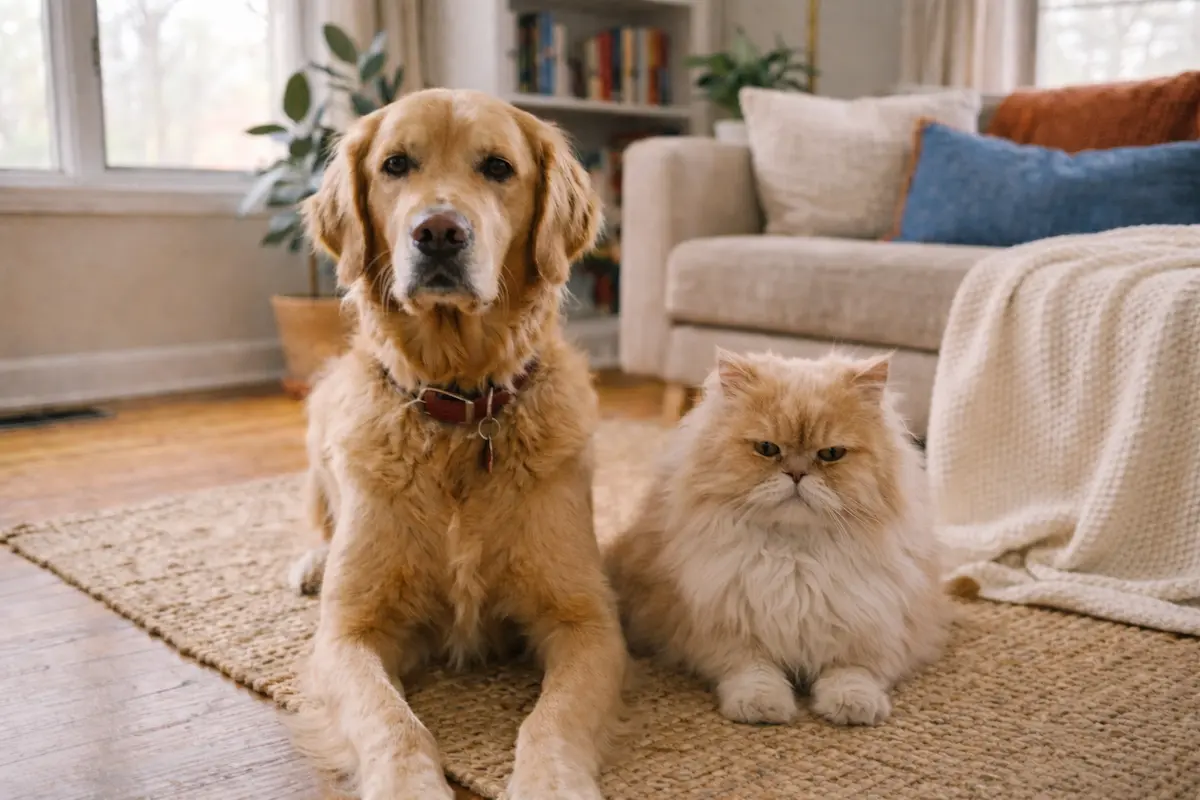
Euthanasia for dogs and cats is a compassionate choice that allows pets to pass peacefully in the comfort of their own home. Choosing home euthanasia for a dog or cat is an emotional, deeply personal decision. This option lets pets pass in the comfort of their own home, surrounded by the people who love them. That familiar setting can ease stress for both animal and owner. Below, we walk through what euthanasia for dogs and cats entails, how the visit typically goes, ways to prepare, and aftercare choices so you can face this moment with greater calm and clarity.
What Is Euthanasia for Dogs and Cats? Understanding Mobile Vet Euthanasia Services
Euthanasia for dogs and cats is a veterinary service that brings compassionate end‑of‑life care to your home. Mobile veterinarians who focus on this work provide the procedure in a familiar space, reducing the anxiety pets often feel in clinic settings. The goal is a peaceful, dignified passing with family close by—rather than in an unfamiliar exam room.
Research into veterinary practice highlights the specialized nature of these services and the role they play in end‑of‑life care.
Home Euthanasia Services for Dogs & Cats: Veterinary Specialization
in shelter medicine settings, contracted to do clinical work for animal management teams in local councils, or specialise in home euthanasia services may be required to perform
How Does Euthanasia for Dogs and Cats Work? Step-by-Step Process Overview
The in‑home euthanasia visit follows a clear, respectful process designed to keep your pet comfortable and supported.
- Initial Consultation: The veterinarian will talk with you about your pet’s condition and answer questions so everyone understands and agrees on the plan.
- Preparation: The vet prepares the medications and equipment and explains what will happen to help ease any concerns.
- Administration of Sedation: A sedative is given first so your pet is relaxed and not in distress.
- Euthanasia: When your pet is calm, the veterinarian administers the euthanasia medication, allowing a peaceful passing.
- Aftercare Discussion: The veterinarian will review aftercare options—cremation, burial, keepsakes—and help you make arrangements.
This stepwise approach helps keep the experience gentle, respectful, and focused on your pet’s comfort.
Which Animals Are Eligible for Euthanasia for Dogs and Cats? Dogs and Cats Explained
Euthanasia for dogs and cats is most commonly offered for dogs and cats, but eligibility depends on your animal’s medical condition and the veterinarian’s assessment. Some vets may consider other small companion animals case by case. The best way to know is to talk with your veterinarian about your pet’s specific needs.
How to Prepare Your Dog or Cat for Euthanasia for Dogs and Cats: Practical and Emotional Guidance
Preparing involves simple practical steps and emotional care for everyone involved.
- Create a Comfortable Space: Choose a quiet, familiar spot in the home where your pet feels safe—bring blankets, favorite toys, or a bed.
- Invite Loved Ones: Include family members who want to be present; their presence can be comforting for both your pet and each other.
- Reflect on Good Memories: Spending a few moments sharing happy memories can help ease the emotional weight of the day.
- Ask Questions: Tell the veterinarian about any worries or preferences so the plan matches your wishes and your pet’s needs.
Taking these steps can help create a peaceful, loving atmosphere during the visit.
What Should Pet Owners Expect During the Euthanasia for Dogs and Cats Appointment?
During the euthanasia for dogs and cats appointment you can expect a calm, professional, and empathetic approach. The veterinarian will arrive on time, briefly evaluate your pet, and explain each step so you know what to expect.
A sedative is given first to make your pet relaxed and comfortable. Once your pet is peaceful, the euthanasia solution is administered. The vet will support you throughout and give you the space and guidance you need to say goodbye.
After the procedure, the veterinarian will go over aftercare choices—such as cremation or burial—and help you with next steps to honor your pet.
For families considering this option, you may wish to explore the services offered by Calm Paws Vet, a practice that focuses on compassionate in‑home end‑of‑life care for dogs and cats.
Demand for specialized mobile end‑of‑life care has grown as more owners choose this gentle alternative to clinic‑based euthanasia.
Dedicated Mobile End-of-Life Veterinary Services
Alyssa Eslinger is a certified hospice and palliative care veterinarian with over 10 years of clinical experience. She founded a dedicated mobile end-of-life service before joining
Companion Animal End of Life Care for the Veterinary Technician, 2025
How to Provide Emotional Support for Your Pet and Family During Euthanasia for Dogs and Cats and End-of-Life Care
Supporting your pet and family emotionally is an important part of end‑of‑life care. These approaches can help:
- Talk Openly: Encourage family members to share feelings and memories—open conversation builds shared support.
- Consider Professional Help: A pet loss counselor or grief therapist can provide coping strategies if feelings become overwhelming.
- Make a Tribute: Small rituals—like a memory box, photo album, or brief ceremony—can help mark your pet’s life.
- Prioritize Self‑Care: Allow space for rest, reflection, and grief. Taking care of yourselves helps everyone heal.
These steps can make saying goodbye a more supported and meaningful experience.
What Are the Aftercare and Memorial Options Following Euthanasia for Dogs and Cats?
Aftercare offers ways to honor your pet and find closure. Common options include:
- Cremation: Available as individual (ashes returned) or communal (no ashes returned) cremation. Individual cremation lets you keep your pet’s ashes.
- Burial: You may choose burial at home or in a pet cemetery to create a personal memorial spot.
- Memorial Services and Keepsakes: Services and items like paw print impressions, personalized urns, or memorial jewelry help preserve memories.
For custom keepsakes—like jewelry or paw prints—veterinarians commonly refer families to trusted third‑party providers who specialize in those services.
Which Aftercare Services Are Available for Euthanasia for Dogs and Cats? Comparing Options
| Service Type | Description | Cost Range |
|---|---|---|
| Individual Cremation | The pet is cremated alone, and the ashes are returned to the owner. | Varies by provider and location |
| Communal Cremation | The pet is cremated with other animals, and ashes are not returned. | Varies by provider and location |
| Burial Services | The pet is buried in a designated area, either at home or in a pet cemetery. | Varies by provider and location |
This overview can help you weigh options based on what feels most meaningful and practical for your family.
Additional Aftercare Services Comparison for Euthanasia for Dogs and Cats
| Service | Description | Typical Cost |
|---|---|---|
| Memorial Urns | Personalized urns to hold ashes, available in a variety of styles and materials. | Varies by style and material |
| Paw Print Keepsakes | Impressions or molds of the pet’s paw print as a lasting memory. | Varies by provider |
| Memorial Jewelry | Jewelry that can include a small portion of ashes or a lock of fur for a personal keepsake. | Varies by design and materials |
How to Honor Your Pet’s Memory After Euthanasia for Dogs and Cats: Compassionate Memorial Practices
Creating rituals and keepsakes can be healing. Consider these ideas:
- Memory Box: Save favorite toys, photos, a collar, and notes to create a tangible tribute.
- Plant a Tree or Flower: A living memorial in your yard or a community space can be a beautiful reminder.
- Personalized Art or Plaques: Commission a portrait, plaque, or other custom piece that celebrates your pet’s personality.
These practices can bring comfort and a sense of peace as you move through grief.
What Are the Costs and Scheduling Procedures for Mobile Vet Euthanasia for Dogs and Cats in East Setauket and North Shore Long Island?
Costs for mobile euthanasia for dogs and cats vary based on factors such as travel distance and the specific services you request. The overall price depends on the case’s complexity and any aftercare choices.
To schedule a compassionate in‑home euthanasia for dogs and cats with Calm Paws Vet, contact the practice directly to describe your situation and arrange a suitable time. Reaching out as soon as you’re ready helps ensure timely support.
How Is Pricing Structured for Euthanasia for Dogs and Cats In-Home Pet Services?
Fees for euthanasia for dogs and cats in‑home typically reflect a few common factors:
- Travel Distance: Longer trips may include a travel fee.
- Time of Service: After‑hours or emergency visits can carry higher charges.
- Additional Services: Choices like individual cremation, memorial items, or transportation add to the total cost.
Knowing these factors ahead of time can help you plan financially during an already difficult period.
How to Schedule a Compassionate Euthanasia for Dogs and Cats Home Appointment with Calm Paws Vet
To set up an in‑home euthanasia for dogs and cats appointment with Calm Paws Vet, follow these simple steps:
- Contact the Team: Call or email to explain your situation and request an in‑home visit.
- Share Important Details: Be ready to describe your pet’s condition, any medications, and your preferences for the visit.
- Confirm the Appointment: Agree on a time and any aftercare services you want to discuss or prearrange.
Calm Paws Vet focuses on compassionate, in‑home veterinary care to support families through end‑of‑life decisions.
Frequently Asked Questions:
What is the main benefit of choosing euthanasia for dogs and cats for my pet?
The primary benefit is that your pet can pass quietly in a familiar place, surrounded by family—often reducing stress and allowing a more peaceful goodbye.
How do I know if my pet is eligible for euthanasia for dogs and cats?
Eligibility depends on your pet’s medical condition and the veterinarian’s clinical judgment. Dogs and cats are most commonly eligible; other small animals may be considered in specific cases.
What should I expect during the euthanasia for dogs and cats appointment?
The veterinarian will arrive at your home, assess your pet, explain the steps, give a sedative to ensure comfort, and then administer the euthanasia solution. You can be present to say goodbye while the vet supports you through the process.
Are there additional costs for aftercare services related to euthanasia for dogs and cats?
Yes. Aftercare options like cremation, burial, or memorial items usually carry extra charges. Costs vary by provider and the services you choose.
How do I schedule an appointment for euthanasia for dogs and cats?
Contact a mobile veterinary service such as Calm Paws Vet by phone or email, share details about your pet’s condition, and confirm a time that works for you. The team will guide you through the next steps.