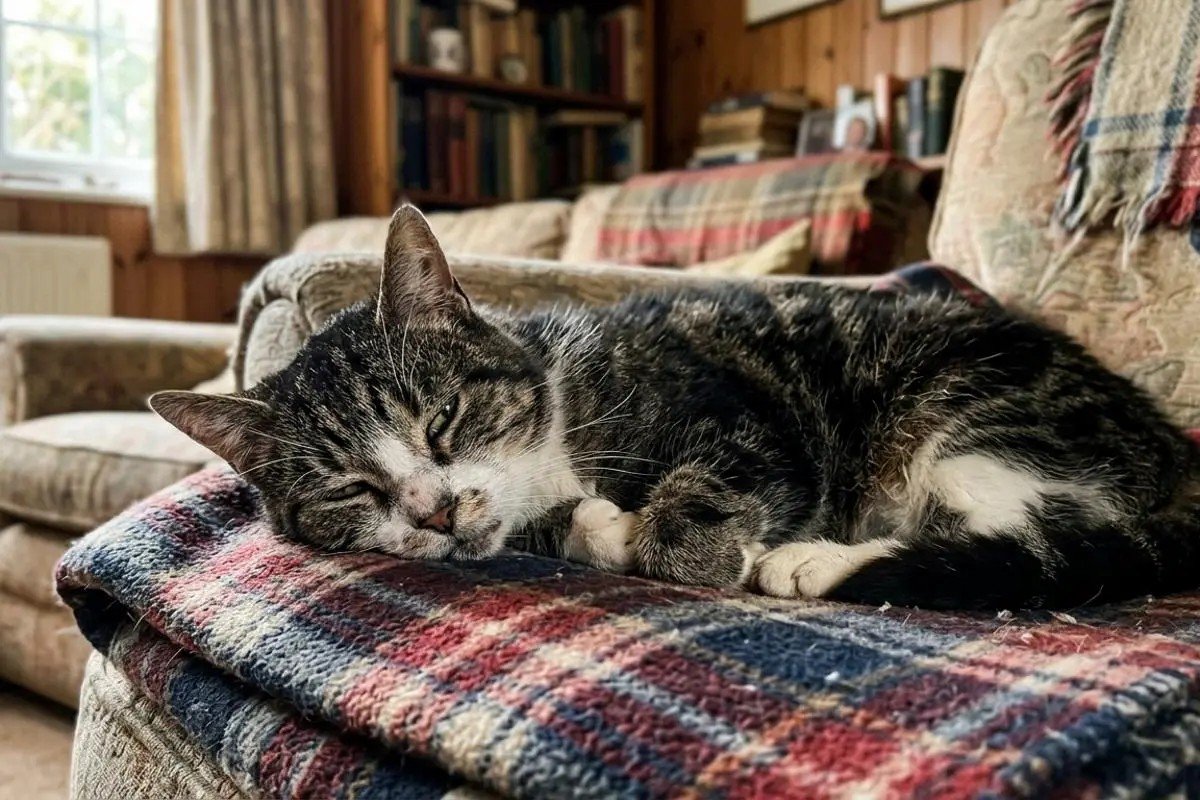

A terminal or progressive diagnosis does not always mean that euthanasia needs to happen immediately. For some dogs and cats, hospice care can help preserve comfort and meaningful time at home while the family prepares for what comes next.
Pet hospice is not about ignoring disease or simply waiting for a natural death. It is a veterinarian-guided approach to the final stage of life, with the goal of reducing suffering, supporting daily comfort, and helping the family recognize when their pet’s needs have changed.
I am Dr. Jake Labriola, founder of Calm Paws Vet. This guide explains what pet hospice care can look like at home, what families may want to monitor, and how to plan before an end-of-life crisis.
What Pet Hospice Care Actually Means
Veterinary hospice focuses on comfort during the final stage of a serious, progressive, or terminal condition. Care is individualized to the pet and should be guided by a veterinarian who understands the diagnosis, expected progression, medications, and changing needs.
Hospice and palliative care overlap, but they are not exactly the same. Palliative care focuses on relieving pain and other symptoms and may be used alongside treatment at different stages of illness. Hospice is generally associated with the later end-of-life stage, when comfort, quality of life, caregiver support, crisis planning, and plans for death become central.
The goal is not to extend life at any cost.
The goal is to help your pet remain as comfortable and engaged as possible while making sure suffering is recognized and addressed.
The American Animal Hospital Association and the International Association for Animal Hospice and Palliative Care both provide guidance for veterinary end-of-life care.
When Hospice or Palliative Care May Be Appropriate
A pet may benefit from a comfort-focused plan when a chronic, progressive, or terminal condition is beginning to affect everyday life but comfort can still be supported.
- Your pet has a progressive or terminal medical condition.
- The goal of treatment is shifting toward comfort rather than cure.
- Pain, nausea, mobility problems, or other symptoms require ongoing management.
- Your pet still has comfortable periods and meaningful interaction with the family.
- You want a clearer way to monitor quality of life as the illness changes.
- Your family wants to prepare for possible crises and end-of-life decisions before they occur.
There is no universal hospice timeline. The final stage of an illness can progress very differently from one pet to another. What matters is whether comfort can still be maintained and whether the care plan continues to meet your pet’s needs.
Five Parts of a Thoughtful Home Hospice Plan
Every plan is different, but these areas give families a useful framework for looking at the whole pet rather than concentrating on one symptom.
Pain and Symptom Control
Your veterinarian should guide medications and medical treatment based on your pet’s diagnosis and individual needs. At home, pay attention to changes in breathing, restlessness, posture, sleep, movement, appetite, interaction, and the ability to settle comfortably.
Food and Hydration
Monitor whether eating and drinking remain comfortable and voluntary. Appetite may change with illness, nausea, pain, medication effects, or disease progression. New or persistent changes should be discussed with your veterinarian rather than managed from general online advice.
Mobility and Hygiene
Look at whether your pet can reach food and water, change positions, toilet comfortably, stay reasonably clean, and move without repeated distress. Small changes in the home can sometimes preserve comfort and independence.
Emotional and Social Comfort
Quality of life includes more than physical symptoms. Familiar routines, favorite resting places, quiet companionship, affection, and opportunities to engage with the family can all matter during the final stage of life.
A Daily and Crisis Plan
Know which changes should prompt a call to your veterinarian, what an emergency might look like, who your family will contact, and what you would want to happen if comfort can no longer be maintained.
End-of-Life and Aftercare Choices
Thinking about euthanasia, who would like to be present, where you would want the goodbye to happen, and your preferred aftercare can reduce the number of decisions your family has to make during a crisis.
Simple Changes at Home Can Make Daily Life Easier
Home hospice does not require turning your home into a hospital. Often, small practical changes make the biggest difference.
- Add non-slip rugs or mats to slippery walking areas.
- Keep food and water within easy reach.
- Provide soft, dry bedding in a quiet location.
- Make litter boxes easier for an older or mobility-limited cat to enter.
- Reduce unnecessary stairs when possible.
- Keep your pet’s normal environment and familiar routines as consistent as possible.
- Ask your veterinarian whether mobility aids or other environmental changes are appropriate.
AAHA specifically recommends considering access to food and water, slippery surfaces, bedding, litter-box setup, sanitation, hygiene, and home temperature when supporting pets at the end of life.
Track Quality of Life, Not Just One Symptom
One of the hardest parts of hospice is that a pet can still have a good moment during an otherwise difficult day. They may eat a favorite treat, wag their tail when you come home, or enjoy sitting outside for a few minutes.
Those moments matter, but they should be viewed as part of the full picture.
Look at physical comfort
Consider pain, breathing, appetite, hydration, nausea, mobility, elimination, hygiene, and the ability to rest.
Look at engagement
Consider whether your pet still seeks affection, responds to family, enjoys familiar routines, or shows interest in the parts of life that have historically mattered to them.
A structured tool such as the HHHHHMM Quality of Life Scale can help you organize these observations.
Do not let one number make the decision for you.
Quality-of-life scales are most useful for tracking change and supporting a conversation with your veterinarian. Diagnosis, symptoms, treatment response, daily function, and your pet’s individual behavior all matter.
Questions to Ask as Your Pet’s Needs Change
- Is my pet comfortable for most of the day?
- Can current symptoms still be adequately managed?
- Can my pet eat, drink, rest, and toilet without significant distress?
- Are mobility problems preventing basic daily activities?
- Does my pet still have meaningful interaction with family or familiar routines?
- Are difficult days becoming more frequent?
- What would a medical crisis related to this disease look like?
- What signs would tell us that the current hospice plan is no longer providing enough comfort?
How Do You Know When Hospice Is No Longer Enough?
Hospice should be reassessed when your pet’s needs are changing faster than comfort can be maintained. That does not mean one skipped meal or one difficult day automatically means it is time for euthanasia.
It means looking at whether distress is becoming persistent, whether treatments are still helping, and whether the comfortable parts of your pet’s day are becoming harder to find.
- Pain or distress is becoming difficult to control.
- Breathing is increasingly difficult.
- Nausea, vomiting, or inability to eat is persistent despite veterinary care.
- Your pet can no longer move or toilet without substantial distress.
- Your pet cannot settle or rest comfortably.
- Repeated medical crises are occurring.
- Activities and interactions that once brought comfort have largely disappeared.
If your pet is struggling to breathe, repeatedly collapsing, having uncontrolled seizures, experiencing severe uncontrolled pain, or facing another acute medical crisis, contact your primary veterinarian or the nearest emergency veterinary hospital.
Calm Paws Vet focuses on hospice and in-home euthanasia and does not provide emergency life-saving treatment.
Planning the Goodbye Before a Crisis
One of the most valuable parts of hospice care is having difficult conversations before the situation becomes an emergency.
You can talk as a family about where your pet feels safest, who may want to be present, whether children or other pets will be involved, what changes would tell you it is time to call, and what you prefer for aftercare.
Planning does not mean you are giving up on your pet. It means that if comfort can no longer be maintained, you already understand the choices available to you.
If you are beginning to think about an at-home goodbye, read what to expect during in-home euthanasia.
Helpful Calm Paws Vet Resources
Frequently Asked Questions About Pet Hospice
How long can pet hospice last?
There is no standard timeline. End-of-life care may be needed for a short period or for a longer stage of illness. The important question is whether your pet can continue to remain comfortable with an appropriate veterinary care plan.
Does hospice mean waiting for a natural death?
No. Veterinary hospice can include planning for euthanasia when suffering can no longer be adequately relieved. Hospice-supported natural death and humane euthanasia are both end-of-life options that should be discussed with the veterinary team based on the individual pet and family’s goals.
Can my regular veterinarian manage hospice care?
Many primary veterinarians can provide palliative and end-of-life medical care. Your veterinarian already knows your pet’s medical history and can help guide medications, symptom management, treatment changes, and disease-specific decisions.
How often should I check my pet’s quality of life?
Rather than relying on a rigid schedule, keep regular observations and increase how closely you monitor your pet when their condition begins changing. A simple written log or calendar can help reveal trends that are difficult to notice from memory.
Does eating mean my pet still has a good quality of life?
Appetite is only one part of quality of life. A pet may still eat while struggling with pain, breathing, mobility, anxiety, hygiene, or other serious problems. Look at the whole pet rather than allowing one behavior to determine the decision.
What if I am not sure whether it is time?
You do not need absolute certainty before asking for help. A quality-of-life conversation can help you review what has changed, what may still be treatable, what comfort can realistically be restored, and what signs should prompt the next decision.
I care for families across Suffolk County and Long Island’s North Shore. In the Three Village and Setauket area, in-home visits are scheduled for weekday evenings and weekends, with daytime weekday visits available for families further out on Long Island.
Need Help Thinking Through Your Pet’s Next Step?
If your pet is living with a progressive or terminal illness and you are unsure whether hospice is still providing enough comfort, you can contact Dr. Jake to discuss quality of life and end-of-life planning.