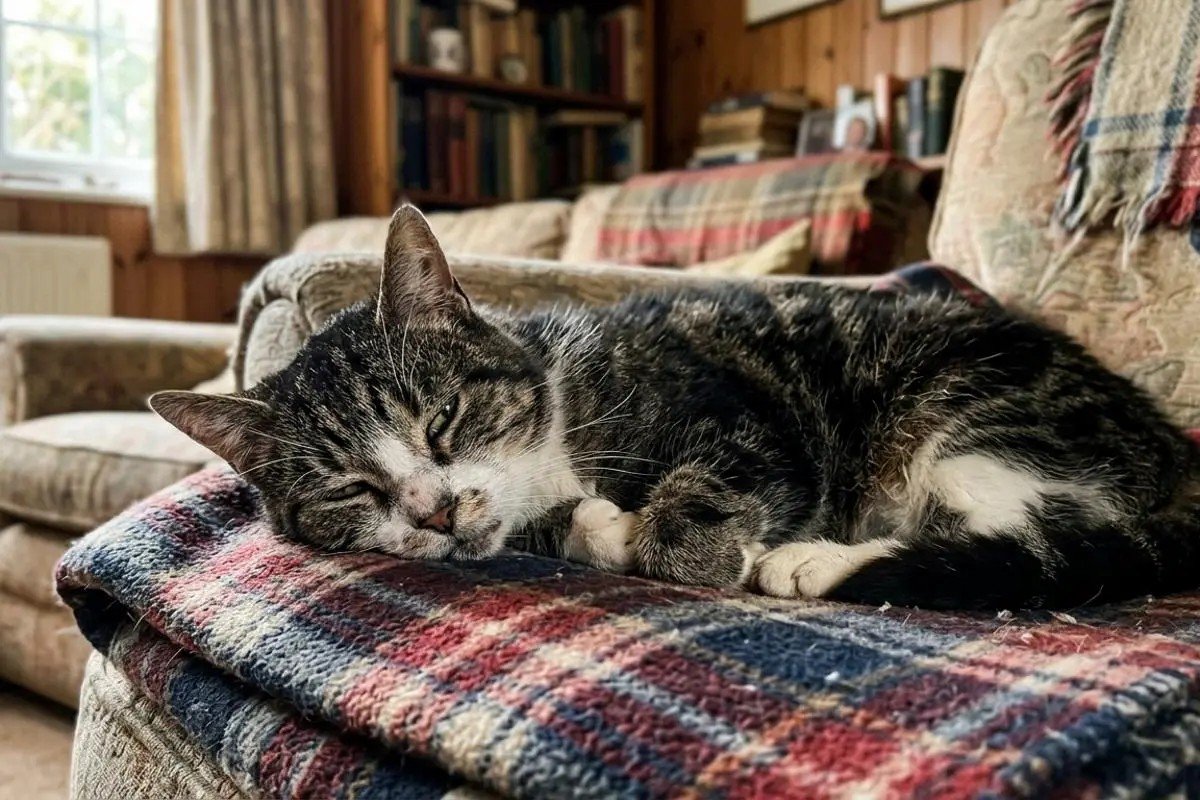

Sometimes grief begins while the pet you love is still beside you.
You know your dog or cat is aging, seriously ill, or approaching the end of life. You are still sharing meals, quiet moments, familiar routines, and time together, but part of you is already imagining the absence that may be coming.
This experience is often called anticipatory grief. It can bring sadness, anxiety, guilt, uncertainty, exhaustion, and moments of hope, sometimes all within the same day.
Understanding what is happening does not make the goodbye easy. It can, however, help you recognize that you do not have to carry every part of it alone.
What Is Anticipatory Grief?
Anticipatory grief is grief that begins in response to an expected loss. With pets, it may begin after a serious diagnosis, during hospice care, as age-related decline becomes more noticeable, or when you realize that your pet's quality of life is changing.
The Association for Pet Loss and Bereavement describes anticipatory grief as a natural reaction that can occur before the loss of a companion animal.
It does not mean you have stopped appreciating the time that remains. It also does not mean you have already decided when euthanasia will happen. Grief and love can exist alongside hope, uncertainty, caregiving, and ordinary moments together.
Loving a Pet Through the End of Life Can Carry Several Burdens at Once
Anticipatory grief is not happening in isolation. Many families are grieving while also caring for a sick pet, watching symptoms change, communicating with veterinarians, and trying to make decisions about comfort and quality of life.
You Are Still Caregiving
Medications, mobility help, disrupted sleep, feeding changes, cleaning, veterinary appointments, and monitoring symptoms can be physically and emotionally tiring.
There Is Uncertainty
A good morning may be followed by a difficult evening. It can be hard to know whether a change is temporary, part of the disease process, or a sign that comfort is becoming harder to maintain.
You May Be Part of the Decision
When euthanasia is being considered, families may feel the added responsibility of helping decide when continued life is no longer comfortable enough for their pet.
What Can Help With Anticipatory Grief?
There is no formula for this stage. Small, practical choices can sometimes make the uncertainty feel more manageable.
Allow Yourself to Have Mixed Feelings
You may feel devastated one hour and laugh at something your pet does the next. A good moment does not erase the seriousness of what is happening, and sadness does not mean you have stopped appreciating the time you still have.
Put Some of What You Feel Into Words
Some people find it helpful to write a letter to their pet, keep a short journal, record favorite memories, or talk with someone who understands how important the relationship is.
Make the Remaining Time About Your Pet
If your pet feels well enough, simple familiar experiences can matter more than creating a complicated bucket list. Resting outside together, offering a favorite safe treat, taking photographs, or simply sitting beside them can become meaningful memories.
Learn What an In-Home Goodbye Would Look Like
Planning does not mean scheduling before you are ready. Understanding where the appointment can take place, who may be present, how sedation works, and what happens afterward can remove some of the fear of the unknown.
Our What to Expect page explains the Calm Paws Vet visit step by step.
Ask for Support Before the Loss
You do not need to wait until your pet has died to talk about grief. A trusted friend, family member, pet-loss support resource, counselor, or veterinary team can provide a place to talk through what you are carrying.
Protect Some of Your Own Energy
Caregiving can become all-consuming. When possible, accept practical help, share caregiving responsibilities, eat regularly, rest when you can, and allow someone else to sit with your pet while you take care of basic needs.
Caring for a Seriously Ill Pet Can Affect the Caregiver Too
Veterinary research has documented caregiver burden among people caring for companion animals with serious or chronic illness.
Higher caregiver burden has been associated with greater stress and poorer psychosocial well-being. That does not mean caring for your pet is a burden in the everyday sense of the word. It means the responsibility of caregiving can ask a great deal from someone who is already frightened about losing a pet they love.
Making a Plan Does Not Mean Choosing the Date
Some families avoid planning because it feels too much like accepting that the end is near. But a plan can simply answer practical questions before a crisis occurs.
What Anticipatory Grief Does Not Automatically Mean
Pet-Loss Support Resources
Support is available before as well as after a pet dies. You do not need to wait for the loss to occur before speaking with someone.
Association for Pet Loss and Bereavement
APLB provides education and free scheduled online chat sessions for people grieving a pet or anticipating a loss. Sessions are facilitated by trained volunteer Pet Loss Grief Specialists.
ASPCA End-of-Life Resources
The ASPCA provides general information for families caring for pets approaching the end of life, including comfort, euthanasia, cremation, burial, and coping with loss.
Consider Professional Support When Grief Feels Unmanageable
Anticipatory grief can be intense. If anxiety, sadness, guilt, sleep disruption, or other distress feels overwhelming, persists, or is significantly interfering with your work, relationships, health, or everyday functioning, consider speaking with a licensed mental health professional or your own healthcare provider.
Asking for help simply means recognizing that you are carrying something difficult and deserve support too.
Anticipatory Grief and Pet Loss
Is it normal to grieve before my pet has died?
Anticipatory grief is a recognized response to an expected loss and is commonly described among people caring for aging, seriously ill, or declining pets. It can include sadness, anxiety, guilt, fear, uncertainty, and changes in sleep or concentration.
Does anticipatory grief mean it is time for euthanasia?
No. Your emotional response does not determine the medical timing of euthanasia. The decision should be based on your pet's individual comfort, quality of life, medical condition, and veterinary guidance.
If you are struggling with that question, our How Do I Know When It's Time? guide may help you organize what you are seeing.
Will grieving now make grief easier after my pet dies?
There is no predictable answer. People experience anticipatory grief and bereavement differently. Preparing beforehand may reduce some uncertainty, but it does not determine how much grief you will feel after the loss.
Should I talk to a counselor?
You do not need to wait until distress reaches a particular timeline before asking for support. If grief or anxiety feels overwhelming or is significantly affecting your sleep, health, work, relationships, or ability to function, a licensed mental health professional can be a valuable resource.
Is it okay to plan the euthanasia visit before I am ready to schedule it?
Yes. Learning how an appointment works, discussing quality-of-life concerns, choosing who may be present, and understanding aftercare options do not commit you to scheduling a visit.
Planning can simply give your family more information before an urgent decision is needed.
You Do Not Need to Be Certain Before You Reach Out
If you are beginning to worry about your pet's comfort or simply want to understand what an in-home appointment would involve, you can contact Dr. Jake before you have made a final decision.
I care for families across Suffolk County and Long Island's North Shore. In the Three Village and Setauket area, in-home visits are scheduled for weekday evenings and weekends, with daytime weekday visits available for families further out on Long Island.
Resources for the Days Ahead
You Do Not Have to Have the Goodbye Figured Out Today
If you are watching your pet change and wondering what comes next, you can speak with Dr. Jake about what you are seeing, your pet's quality of life, and what an in-home visit would involve if the time comes.