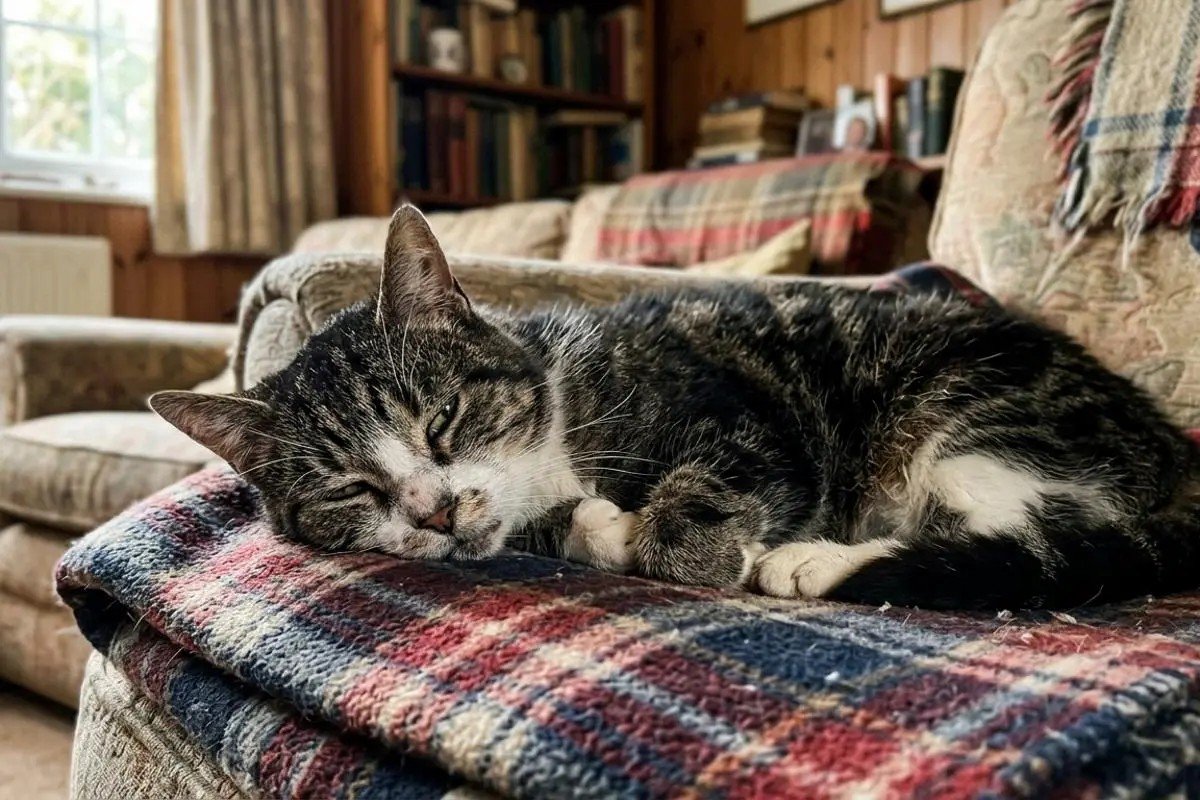

Growing old is not, by itself, a reason to euthanize a dog.
Senior dogs naturally slow down. They may sleep more, walk more carefully, lose some hearing or vision, develop gray hair, or need help doing things that once came easily.
The harder question is not simply, “How old is my dog?” It is, “Can my dog still experience enough comfort, function, connection, and enjoyment for life to feel worthwhile to them?”
There is rarely one single sign that answers that question for every dog. The clearest decisions usually come from looking at patterns over time, understanding what can still be treated, and talking openly with your veterinarian about what your dog is experiencing.
What Changes Are Part of Aging, and What Deserves More Attention?
Dogs age at different rates based on their breed, size, genetics and health. There is no single birthday when every dog becomes senior, and senior status alone does not mean that end-of-life care is needed.
AAHA's senior-care guidance emphasizes that old age is not a disease. Many age-related changes can be evaluated, treated or accommodated so a senior dog can continue enjoying meaningful time with their family.
Signs That a Senior Dog's Quality of Life May Be Declining
One change by itself does not automatically mean euthanasia is appropriate. These signs become more meaningful when they persist, worsen, occur together, or can no longer be adequately improved with veterinary care.
Some Symptoms Need Prompt Veterinary Care
A senior dog can experience an acute medical emergency just like a younger dog. Do not wait for a planned quality-of-life discussion if your dog is experiencing severe or rapidly worsening distress.
Contact your primary veterinarian or the nearest emergency veterinary hospital if immediate medical treatment is needed. Calm Paws Vet focuses on hospice and in-home euthanasia and does not provide emergency life-saving treatment.
Use Quality of Life to Look for Patterns, Not a Single Magic Number
When you live with your dog every day, gradual decline can be difficult to see. A quality-of-life tool can help turn vague impressions into observations that you can discuss with your veterinarian.
The HHHHHMM Quality of Life Scale considers Hurt, Hunger, Hydration, Hygiene, Happiness, Mobility, and More Good Days Than Bad.
The HHHHHMM scale is not an automatic euthanasia test. A score near or below a published reference point should prompt a closer veterinary conversation, not an automatic decision. A serious problem in one category can also matter even when the total score still looks relatively high.
Consider keeping a simple calendar and marking each day as comfortable, difficult or mixed. Trends can become easier to recognize when several weeks are visible at once.
Ask What Can Still Be Improved
A decline in quality of life does not always mean that euthanasia is immediately necessary. Some senior dogs can regain meaningful comfort when pain, nausea, anxiety, mobility problems or environmental challenges are better managed.
AAHA recommends discussing palliative care for animals with chronic, progressive or terminal disease. The exact plan should be individualized by the veterinarian who understands your dog's diagnoses, medications and other health conditions.
Questions to Ask When You Are Considering Euthanasia
You do not need to wait for every category of quality of life to fail before starting the conversation. These questions can help you and your veterinarian understand what has changed.
Can My Dog Still Be Kept Comfortable?
Ask whether pain, breathing difficulty, nausea, anxiety, confusion and other symptoms can still be controlled to a level that allows meaningful rest and daily comfort.
Can My Dog Still Meet Basic Needs Without Major Distress?
Think about eating, drinking, getting up, changing positions, toileting, staying clean and reaching familiar places. Reasonable assistance can still be compatible with a good quality of life. The question is whether the help itself remains manageable and comfortable for your dog.
Are There Still Meaningful Parts of the Day?
A senior dog's pleasures may be quieter than they once were. A favorite treat, sitting in the yard, resting beside you or greeting a family member can still matter. Look for your dog's own version of comfort and connection.
Is the Overall Direction Changing?
One difficult afternoon does not tell the whole story, and one unusually good morning does not erase a larger decline. Look at several days or weeks together whenever the medical situation allows.
What Is Likely to Happen Next?
Ask your veterinarian about the expected disease trajectory. Understanding which changes are treatable, which are likely to progress and what a crisis might look like can make end-of-life planning more informed.
A Good Day Still Counts
Senior dogs with progressive disease can have better and worse days. If your dog suddenly enjoys a meal, asks to go outside or seems more like themselves, enjoy that time.
Then place the good day into the larger pattern. Quality-of-life decisions are usually clearer when neither the best day nor the worst day is allowed to represent the entire situation by itself.
Why Some Families Choose an In-Home Goodbye for a Senior Dog
For an older dog with arthritis, weakness, anxiety, cognitive changes or significant mobility limitations, avoiding an unnecessary trip to a clinic can be meaningful.
In-home euthanasia allows the dog to remain in a familiar environment while the family has privacy and control over where the appointment takes place.
Calm Paws Vet uses a sedation-first process. Dr. Jake explains what will happen before medications are given and allows your dog to become deeply sedated before proceeding with the final medication.
Senior Dogs and the Timing of Euthanasia
Is old age alone a reason to euthanize a dog?
No. Advanced age by itself is not a reason for euthanasia. What matters is your individual dog's health, comfort, function, treatment options and overall quality of life.
Does a HHHHHMM score below 35 mean my dog should be euthanized?
No. Published descriptions of the HHHHHMM scale use scores as guidance, but the total should not function as an automatic euthanasia threshold.
A low or declining score should prompt a conversation about symptoms, treatment response, disease progression and whether your dog's comfort can still be adequately maintained.
What if my senior dog has a good day after several difficult days?
Enjoy the good day. Then consider it as one part of the larger trend. Senior dogs with progressive illness can have fluctuations, so looking at several days or weeks together can be more useful than allowing one unusually good or difficult day to determine the entire decision.
Is difficulty walking enough reason for euthanasia?
Not automatically. Some dogs with mobility limitations remain comfortable and engaged with environmental changes, assistance and appropriate veterinary treatment.
Mobility becomes a more serious quality-of-life concern when your dog cannot rise, repeatedly falls, cannot toilet or reach basic resources without substantial distress, or when pain and function can no longer be adequately managed.
Can canine cognitive dysfunction affect the decision?
Yes. Cognitive dysfunction can cause disorientation, altered sleep, house soiling, anxiety and changes in interaction. These changes should first be evaluated by a veterinarian because medical conditions can produce similar behavior.
When cognitive decline becomes progressive and causes substantial ongoing distress despite appropriate management, it may become an important part of the quality-of-life discussion.
How long does a senior dog's natural dying process take?
There is no dependable universal timeline. The course depends on the underlying disease, overall health and the specific changes occurring.
If your dog is showing significant pain, breathing difficulty, repeated collapse, seizures, severe weakness or other distress, contact a veterinarian rather than waiting for a natural dying process to follow a particular timeline.
Should I wait until my dog stops eating completely?
No single symptom should be used as a universal requirement before euthanasia can be considered. Persistent appetite loss is important, but quality of life also includes pain, breathing, hydration, mobility, rest, hygiene, interaction and the overall disease trajectory.
Can I ask about euthanasia before I have decided?
Yes. Learning what an appointment involves, discussing quality of life and understanding aftercare options do not commit your family to scheduling euthanasia.
AAHA's senior-care guidance supports discussing end-of-life options and planning before a crisis occurs.
Sources and Further Reading
You Do Not Need to Be Completely Certain Before You Reach Out
If your senior dog's comfort is changing and you are unsure what those changes mean, you can contact Dr. Jake to discuss quality of life and what an in-home end-of-life visit would involve if the time comes.
I care for families across Suffolk County and Long Island's North Shore. In the Three Village and Setauket area, in-home visits are scheduled for weekday evenings and weekends, with daytime weekday visits available for families further out on Long Island.
More Help With the Decision
You Do Not Have to Make the Decision Alone
If you are watching your senior dog change and wondering whether their comfort can still be maintained, you can start by talking through what you are seeing and what the next stage may look like.